This page explains how blood flow is restored after a heart attack and why medications such as antiplatelets, beta blockers, ACE inhibitors, and statins are often prescribed afterward.
Do not stop heart medications without medical guidance. Chest pain, shortness of breath, fainting, or new neurologic symptoms after a heart attack need urgent evaluation.
What happens during a heart attack
A heart attack usually happens when plaque in a coronary artery ruptures and a clot blocks blood flow. Without oxygen, the affected heart muscle begins to die.
How doctors restore blood flow
Two major treatments described here are angioplasty with stent placement and coronary artery bypass grafting. Both aim to improve blood flow to the heart muscle, but they are used in different clinical situations.
Medications used after a heart attack
Antiplatelets help prevent new clots. Beta blockers and ACE inhibitors or ARBs can help lower strain on the heart. Statins lower cholesterol and help reduce future cardiovascular risk.
Why staying on treatment matters
The core message is simple: feeling better is not a reason to stop medication. Recovery after a heart attack usually includes long-term treatment to lower the risk of another event.
Key Takeaways
- A heart attack occurs when plaque in a coronary artery ruptures, a clot forms, and blood flow to the heart muscle is blocked — causing tissue death
- Angioplasty opens the blockage with a balloon catheter and stent; CABG surgery bypasses blocked sections using veins or arteries from the body
- Post-heart-attack medications: antiplatelets (prevent clots), beta blockers (lower heart rate), ACE inhibitors/ARBs (lower blood pressure), statins (reduce cholesterol)
- Never stop medications because you feel better — stay on them exactly as prescribed unless your doctor tells you otherwise
FAQ
What medications are commonly prescribed after a heart attack?
This page highlights antiplatelets, beta blockers, ACE inhibitors or ARBs, and statins as common parts of post-heart-attack treatment.
What is the difference between a stent and bypass surgery?
A stent is placed during angioplasty to open a blocked artery from the inside. Bypass surgery reroutes blood around blocked segments using another vessel.
Can I stop heart attack medications once I feel better?
No. Medication changes should be made only with your clinician because stopping them on your own can be dangerous.
Related Topics on Health 656
Related Videos

Aortic Stenosis — Symptoms, Diagnosis, and Valve Replacement Options
The Alliance for Aging Research explains aortic stenosis — a heart valve disease affecting 1.5 million Americans and 1 in 10 people over 75. Aortic s
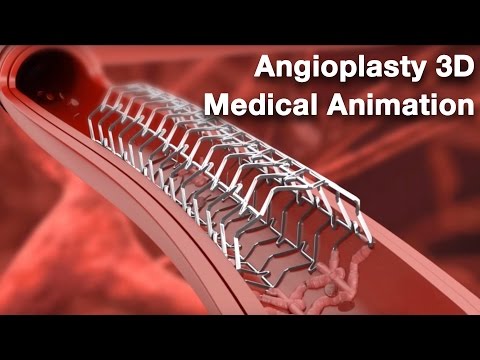
Angioplasty and Stent Placement — Medical 3D Animation
This cinematic 3D medical animation visualizes the complete angioplasty and stent placement procedure in stunning detail — no narration, just visuals

What to Do During a Heart Attack — Emergency Steps That Save Lives
Dr. Demarcus Bayman walks through exactly what to do if you suspect someone is having a heart attack — a situation that occurs every 40 seconds in the
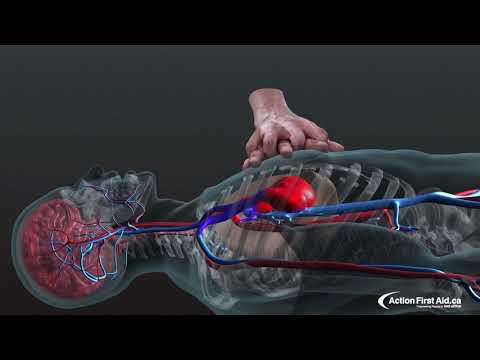
Why CPR Works — The Science Behind Chest Compressions
This visual explainer breaks down exactly what happens inside the body during CPR and why each detail of compression technique matters for survival.