This page explains how a heart attack starts, what symptoms can look like in different groups, and how emergency treatment and prevention fit together.
Possible heart attack symptoms need emergency care. If you think you or someone else may be having a heart attack, call emergency services right away.
How a heart attack begins
A heart attack usually starts when plaque in a coronary artery becomes unstable and a clot forms. Blood flow drops, and the heart muscle begins to lose oxygen within minutes.
Symptoms do not look the same for everyone
Classic crushing chest pain can happen, but not every person has that pattern. Women, older adults, and people with diabetes may have less typical symptoms or even a silent heart attack.
How treatment restores blood flow
Diagnosis usually involves an ECG and blood tests. Treatment may include medications, angioplasty and stenting, or bypass surgery depending on the situation.
Why prevention still matters after the emergency
Exercise, smoking avoidance, sleep, diet quality, and treatment of blood pressure and cholesterol all matter because the emergency is only one part of cardiovascular risk.
Key Takeaways
- 7 million people die from heart attacks yearly — when a coronary plaque ruptures, a clot forms in minutes and oxygen-starved heart cells start dying
- Heart attack symptoms differ by group: women and the elderly may feel only weakness; people with diabetes may have completely silent heart attacks
- Emergency response: call medical services immediately, take aspirin (thins blood) and nitroglycerin (opens artery) to slow progression
- Treatment includes angioplasty with stent placement or coronary bypass surgery to restore blood flow to the heart muscle
- Prevention works: exercise, a diet low in sugar and saturated fats, healthy weight, no tobacco, and medications like low-dose aspirin for high-risk patients
FAQ
What happens inside the body during a heart attack?
Blood flow to part of the heart muscle is blocked, usually by a clot forming on top of a ruptured plaque, and that muscle begins to die without oxygen.
Can a heart attack happen without severe chest pain?
Yes. Some people have atypical symptoms or even a silent heart attack, especially older adults, women, and people with diabetes.
How do doctors treat a heart attack?
Treatment can include emergency medications, angioplasty with stenting, or bypass surgery to restore blood flow and reduce damage.
Related Topics on Health 656
Related Videos

Aortic Stenosis — Symptoms, Diagnosis, and Valve Replacement Options
The Alliance for Aging Research explains aortic stenosis — a heart valve disease affecting 1.5 million Americans and 1 in 10 people over 75. Aortic s
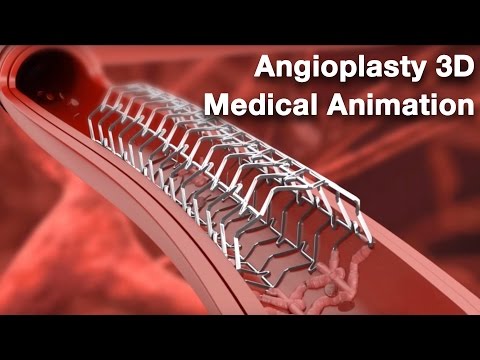
Angioplasty and Stent Placement — Medical 3D Animation
This cinematic 3D medical animation visualizes the complete angioplasty and stent placement procedure in stunning detail — no narration, just visuals

After a Heart Attack — Treatment and Medications Explained
This patient education video explains what happens during a heart attack and the treatments and medications prescribed afterward. The video begins wi
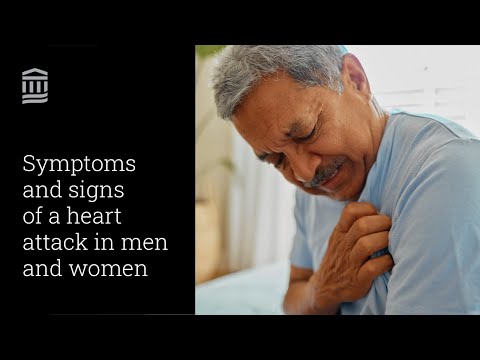
What to Do During a Heart Attack — Emergency Steps That Save Lives
Dr. Demarcus Bayman walks through exactly what to do if you suspect someone is having a heart attack — a situation that occurs every 40 seconds in the