This page explains how angioplasty reopens a narrowed coronary artery and how a stent helps keep the artery open after the balloon is removed.
Procedure choices depend on the person, the artery involved, and the urgency of the situation. Treatment decisions should come from the treating cardiology team.
What angioplasty is
Angioplasty is a catheter-based procedure used to open a narrowed or blocked artery, often in the heart.
How the balloon and stent work
A balloon is inflated to widen the narrowed area, and a stent acts as a scaffold to help the artery stay open afterward.
Why the procedure matters
Restoring blood flow can reduce symptoms and, in emergency settings such as a heart attack, can help limit heart muscle damage.
Key Takeaways
- Angioplasty opens blocked coronary arteries by inflating a balloon catheter at the blockage site, compressing plaque against the walls
- A metal mesh stent is deployed to hold the artery open permanently, preventing re-narrowing after the balloon is removed
- The entire procedure is done through a catheter threaded from a blood vessel to the heart — no open-chest surgery required
- Visual-only 3D animation — ideal for understanding the mechanical process of how a blocked artery is physically reopened
FAQ
What is the difference between angioplasty and a stent?
Angioplasty is the procedure that opens the artery with a balloon. A stent is the mesh tube often placed to help keep that artery open.
Is angioplasty open-heart surgery?
No. It is usually a catheter-based procedure performed through a blood vessel rather than through open-chest surgery.
Why are stents used after angioplasty?
They help support the artery wall and reduce the chance that the vessel will narrow again right away.
Related Topics on Health 656
Related Videos

Aortic Stenosis — Symptoms, Diagnosis, and Valve Replacement Options
The Alliance for Aging Research explains aortic stenosis — a heart valve disease affecting 1.5 million Americans and 1 in 10 people over 75. Aortic s

After a Heart Attack — Treatment and Medications Explained
This patient education video explains what happens during a heart attack and the treatments and medications prescribed afterward. The video begins wi
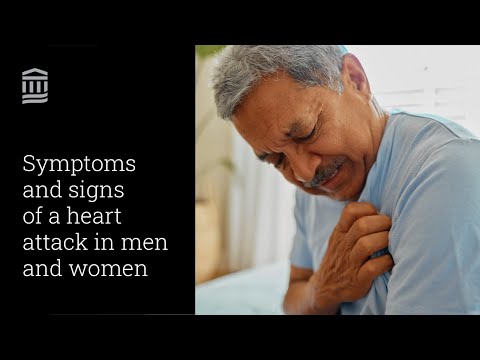
What to Do During a Heart Attack — Emergency Steps That Save Lives
Dr. Demarcus Bayman walks through exactly what to do if you suspect someone is having a heart attack — a situation that occurs every 40 seconds in the
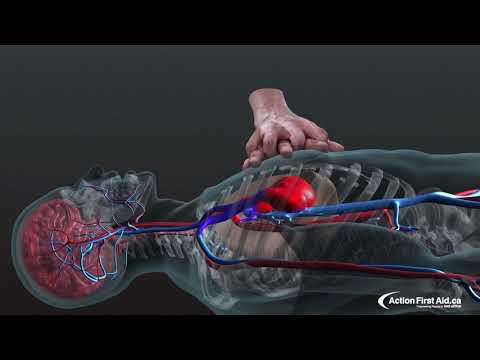
Why CPR Works — The Science Behind Chest Compressions
This visual explainer breaks down exactly what happens inside the body during CPR and why each detail of compression technique matters for survival.