This page explains what aortic stenosis is, why symptoms can be mistaken for normal aging, and how doctors diagnose and treat severe valve narrowing.
New chest pain, fainting, severe shortness of breath, or rapid decline in exercise tolerance should be assessed promptly. Valve disease can worsen gradually and then become dangerous.
What aortic stenosis is
Aortic stenosis happens when the aortic valve becomes narrowed and does not open well. The heart then has to work harder to move blood out to the body.
This is especially relevant for older adults because calcification and age-related wear are common causes.
Symptoms that people often overlook
Common warning signs include chest pain, fainting or near-fainting with exertion, fatigue, and reduced exercise tolerance. One reason search intent is strong here is that these symptoms are often mistaken for getting older or being out of shape.
How aortic stenosis is diagnosed
A heart murmur may be the first clue on examination. Diagnosis is usually confirmed with echocardiography and other tests when needed.
Why treatment matters
Medication does not remove the valve narrowing itself. When stenosis becomes severe and symptomatic, valve replacement is the treatment that changes the outlook.
AVR and TAVR
Traditional surgical AVR replaces the damaged valve through surgery. TAVR places a new valve through a catheter and may be an option for selected patients, especially those at higher surgical risk.
Key Takeaways
- Aortic stenosis affects 1 in 10 people over 75 — calcium buildup stiffens the valve, forcing the heart to pump harder until it fails
- Warning signs: fainting during exertion, chest pain, weakness, fatigue — 3 out of 4 patients have symptoms but many dismiss them as normal aging
- No medication can reverse aortic stenosis — only valve replacement (AVR or TAVR) eliminates it
- Without surgery, 50% of patients with severe symptomatic aortic stenosis die within two years
- TAVR offers a minimally invasive alternative for high-risk patients — a catheter through the leg replaces the valve without opening the chest
FAQ
What are the classic symptoms of aortic stenosis?
Chest pain, fainting with exertion, shortness of breath, and worsening fatigue are common warning signs, although symptoms vary.
Can medication cure aortic stenosis?
No. Medication may help with symptoms or related heart issues, but it does not remove the narrowed valve.
What is the difference between AVR and TAVR?
AVR is standard surgical valve replacement. TAVR is a less invasive catheter-based approach used for selected patients depending on anatomy, risk, and specialist evaluation.
Related Topics on Health 656
Related Videos
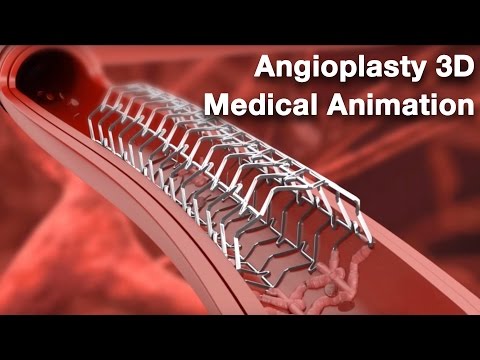
Angioplasty and Stent Placement — Medical 3D Animation
This cinematic 3D medical animation visualizes the complete angioplasty and stent placement procedure in stunning detail — no narration, just visuals

After a Heart Attack — Treatment and Medications Explained
This patient education video explains what happens during a heart attack and the treatments and medications prescribed afterward. The video begins wi

What to Do During a Heart Attack — Emergency Steps That Save Lives
Dr. Demarcus Bayman walks through exactly what to do if you suspect someone is having a heart attack — a situation that occurs every 40 seconds in the
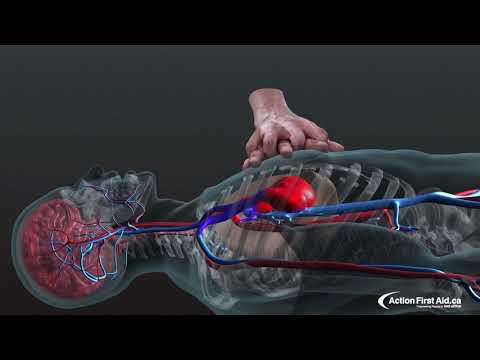
Why CPR Works — The Science Behind Chest Compressions
This visual explainer breaks down exactly what happens inside the body during CPR and why each detail of compression technique matters for survival.