This page explains what heart failure means, how left- and right-sided heart failure differ, and why symptoms such as breathlessness and swelling happen.
New shortness of breath, chest pain, fainting, or sudden swelling can be urgent. Heart failure symptoms should be assessed by a qualified clinician.
What heart failure means
Heart failure does not mean the heart has stopped. It means the heart cannot pump enough blood to meet the body's needs or cannot fill efficiently enough to keep up.
Systolic vs diastolic heart failure
Systolic heart failure means the heart's pumping function is reduced. Diastolic heart failure means the heart is stiff and does not fill well, even if squeezing strength looks more preserved.
Left-sided vs right-sided symptoms
Left-sided failure often causes fluid buildup in the lungs, leading to shortness of breath and trouble lying flat. Right-sided failure often causes swelling in the legs, abdominal fluid buildup, and congestion in the body's veins.
Common causes and treatment options
The page explains how ischemic heart disease, long-term high blood pressure, valve disease, and cardiomyopathy can all lead to heart failure. Treatment can include medications, devices, and in severe cases advanced therapies.
Key Takeaways
- Systolic heart failure means the heart can't pump hard enough (ejection fraction below 40%); diastolic means it doesn't fill enough despite normal squeeze
- The Frank-Starling mechanism lets the heart compensate by stretching to pump harder, but this backfires long-term as walls thin or stiffen
- Left-sided failure backs blood into the lungs causing pulmonary edema, dyspnea, and orthopnea — right-sided failure backs blood into the body causing leg edema, liver enlargement, and ascites
- Most common causes: ischemic heart disease (plaque), longstanding hypertension (muscle overgrowth), and dilated cardiomyopathy (chamber enlargement)
- Treatment ranges from ACE inhibitors and diuretics to pacemakers, ventricular assist devices, and heart transplant in end-stage cases
FAQ
What is the difference between systolic and diastolic heart failure?
Systolic heart failure involves weaker pumping. Diastolic heart failure involves impaired filling because the heart muscle is too stiff.
Can heart failure cause leg swelling and shortness of breath?
Yes. Fluid buildup from heart failure can affect the lungs, legs, and abdomen depending on which side of the heart is most affected.
Is heart failure treatable?
Yes. Treatment may include lifestyle changes, medicines, devices, and specialist care depending on the cause and severity.
Related Topics on Health 656
Related Videos

Aortic Stenosis — Symptoms, Diagnosis, and Valve Replacement Options
The Alliance for Aging Research explains aortic stenosis — a heart valve disease affecting 1.5 million Americans and 1 in 10 people over 75. Aortic s
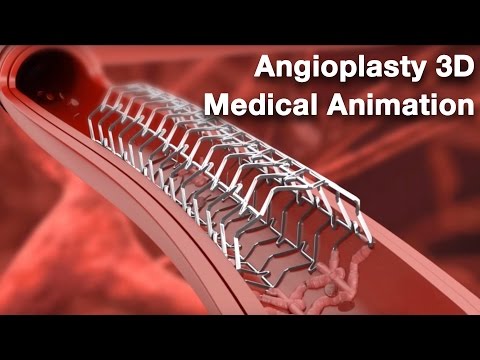
Angioplasty and Stent Placement — Medical 3D Animation
This cinematic 3D medical animation visualizes the complete angioplasty and stent placement procedure in stunning detail — no narration, just visuals

After a Heart Attack — Treatment and Medications Explained
This patient education video explains what happens during a heart attack and the treatments and medications prescribed afterward. The video begins wi
What to Do During a Heart Attack — Emergency Steps That Save Lives
Dr. Demarcus Bayman walks through exactly what to do if you suspect someone is having a heart attack — a situation that occurs every 40 seconds in the