This guide explains what blood pressure numbers mean, when high or low readings may need attention, and how medications and lifestyle changes fit into care.
Do not start, stop, or change blood pressure medication based only on online information. Severe symptoms or readings in a crisis range need urgent medical advice.
What the numbers mean
Blood pressure is written as systolic over diastolic. The page explains the common categories from normal readings to elevated blood pressure, stage 1 hypertension, stage 2 hypertension, and hypertensive crisis.
For readers, the important point is that numbers should be interpreted in context, including symptoms, repeated measurements, and personal medical history.
When blood pressure may be urgent
Very high readings become more concerning when they happen with symptoms such as chest pain, shortness of breath, severe headache, vision changes, or trouble speaking. That is why this page keeps emergency advice separate from routine monitoring.
Blood pressure medication classes
The video covers several major classes, including diuretics, beta blockers, ACE inhibitors, ARBs, calcium channel blockers, alpha blockers, alpha-2 agonists, combined alpha-beta blockers, and vasodilators.
The main SEO improvement here is clarity: medication lists are useful only when readers understand that benefits, side effects, and pregnancy safety differ across drug classes.
Lifestyle changes that may help
The page discusses dietary patterns, stress reduction, physical activity, and weight management. It also mentions foods and supplements that are sometimes promoted for blood pressure support.
These approaches can be valuable, but they should not be presented as substitutes for medical treatment when hypertension is persistent or severe.
Why stroke recognition belongs on this page
Because uncontrolled hypertension raises stroke risk, the page includes the BE FAST acronym. That makes the content more useful for readers who may be searching during a stressful moment.
Key Takeaways
- Know your stages: normal (<120/80), elevated (120–129/<80), stage 1 (130–139/80–89), stage 2 (>140/90), crisis (>180/120 — call 911 if symptomatic)
- The morning blood pressure surge is the highest-risk window for heart attacks and strokes — monitor timing, not just numbers
- Nine medication classes exist, each with trade-offs: ACE inhibitors cause dry cough, beta blockers cause fatigue, diuretics deplete potassium — ARBs are often chosen when ACE inhibitor side effects are intolerable
- Natural approaches backed by research: Mediterranean diet, omega-3 fish, garlic, beetroot juice, meditation, and weight management — obesity causes resistant hypertension that medications can't overcome
- Use BE FAST for stroke recognition: Balance, Eyes, Face drooping, Arm weakness, Speech difficulty, Time to call 911
FAQ
What blood pressure reading is considered high?
A single reading does not make a diagnosis, but repeated readings at or above hypertension thresholds deserve review with a clinician. Crisis-range readings with symptoms can be an emergency.
Can lifestyle changes lower blood pressure?
They can help many people, especially through diet, exercise, sleep, stress management, and weight loss when appropriate. Some people still need medication as well.
Should I stop blood pressure medicine if my readings improve?
No. Medication changes should be made with your prescribing clinician because stopping treatment suddenly can be risky.
Related Topics on Health 656
Related Videos

Aortic Stenosis — Symptoms, Diagnosis, and Valve Replacement Options
The Alliance for Aging Research explains aortic stenosis — a heart valve disease affecting 1.5 million Americans and 1 in 10 people over 75. Aortic s
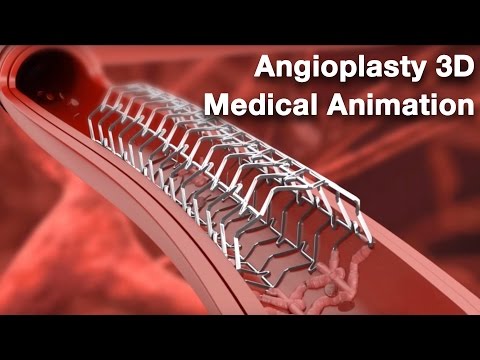
Angioplasty and Stent Placement — Medical 3D Animation
This cinematic 3D medical animation visualizes the complete angioplasty and stent placement procedure in stunning detail — no narration, just visuals

After a Heart Attack — Treatment and Medications Explained
This patient education video explains what happens during a heart attack and the treatments and medications prescribed afterward. The video begins wi
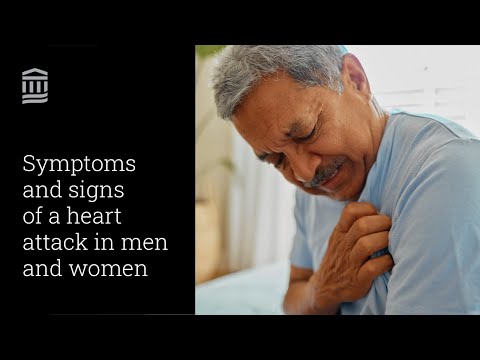
What to Do During a Heart Attack — Emergency Steps That Save Lives
Dr. Demarcus Bayman walks through exactly what to do if you suspect someone is having a heart attack — a situation that occurs every 40 seconds in the