This page explains what chest compressions do during cardiac arrest and why CPR technique can directly affect survival.
Use formal CPR training whenever possible. In an emergency, follow local emergency instructions and available AED guidance.
What CPR is trying to do
CPR helps move blood to the brain and heart when the heart is no longer pumping effectively enough on its own.
Why depth, rate, and recoil matter
Compressions need enough depth, enough speed, and full chest recoil so the heart can refill between pushes and continue moving blood forward.
Why interruptions are dangerous
Every time compressions stop, blood flow drops. That is why minimizing hands-off time is a core part of good CPR.
Key Takeaways
- Brain damage starts within 4 minutes of cardiac arrest and becomes irreversible after 10 — start CPR immediately
- Push at least 2 inches deep at 100–120 compressions per minute in the center of the chest
- Minimize any time with hands off the chest — blood stops flowing to the brain the moment compressions pause
- Allow full chest recoil between compressions so the heart can refill with blood before the next push
- If ribs break during CPR, keep going — broken ribs heal, but a brain without oxygen does not
FAQ
Why does CPR help during cardiac arrest?
Because it can keep some blood moving to the brain and heart until defibrillation or advanced medical care is available.
Why is chest recoil important during CPR?
The chest needs to come back up fully so the heart can refill before the next compression.
Should CPR stop for long breaks?
No. Interruptions should be kept as short as possible because blood flow drops as soon as compressions stop.
Related Topics on Health 656
Related Videos

Aortic Stenosis — Symptoms, Diagnosis, and Valve Replacement Options
The Alliance for Aging Research explains aortic stenosis — a heart valve disease affecting 1.5 million Americans and 1 in 10 people over 75. Aortic s
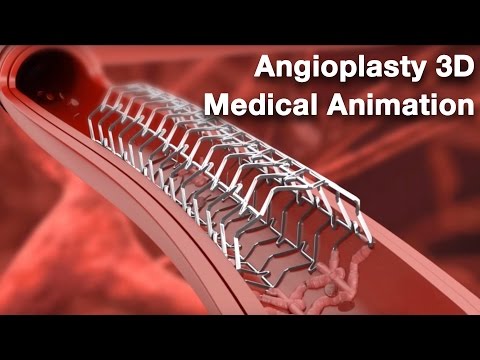
Angioplasty and Stent Placement — Medical 3D Animation
This cinematic 3D medical animation visualizes the complete angioplasty and stent placement procedure in stunning detail — no narration, just visuals

After a Heart Attack — Treatment and Medications Explained
This patient education video explains what happens during a heart attack and the treatments and medications prescribed afterward. The video begins wi

What to Do During a Heart Attack — Emergency Steps That Save Lives
Dr. Demarcus Bayman walks through exactly what to do if you suspect someone is having a heart attack — a situation that occurs every 40 seconds in the