This page explains what an AED does during cardiac arrest, how it identifies a shockable rhythm, and why CPR must continue around AED use.
In an emergency, follow the AED?s voice prompts and local emergency instructions. Formal CPR and AED training is still valuable.
What an AED is designed to do
An AED checks the heart rhythm and determines whether a shockable rhythm such as ventricular fibrillation is present.
What the shock actually does
The shock is meant to interrupt chaotic electrical activity so the heart's normal pacing system has a chance to regain control.
Why CPR still matters after a shock
Even after a shock, the heart may need time before it can pump effectively again. CPR helps keep blood moving during that critical period.
Key Takeaways
- An AED shock doesn't restart the heart — it stops all electrical activity briefly so the SA node (natural pacemaker) can regain control and reset the rhythm
- Ventricular fibrillation is the most common cardiac arrest rhythm — the heart shakes chaotically and can't pump blood, making it deadly without intervention
- Start CPR immediately after the AED shock — the heart can take up to two minutes to reorganize electrically, and compressions keep blood flowing to the brain
- Your chest compressions do NOT interfere with the heart's electrical reset — so push hard and fast without hesitation
- Always follow the AED's voice prompts — it re-analyzes every two minutes and tells you whether another shock is needed
FAQ
Does an AED restart the heart?
Not exactly. It interrupts dangerous electrical chaos so the heart's normal electrical system can try to take over again.
Should CPR continue after an AED shock?
Yes. CPR is still needed right away because blood flow must be supported while the heart rhythm is reassessed.
Can anyone use an AED?
AEDs are designed to guide bystanders with voice prompts, which is why they are so valuable in public emergencies.
Related Topics on Health 656
Related Videos

Aortic Stenosis — Symptoms, Diagnosis, and Valve Replacement Options
The Alliance for Aging Research explains aortic stenosis — a heart valve disease affecting 1.5 million Americans and 1 in 10 people over 75. Aortic s
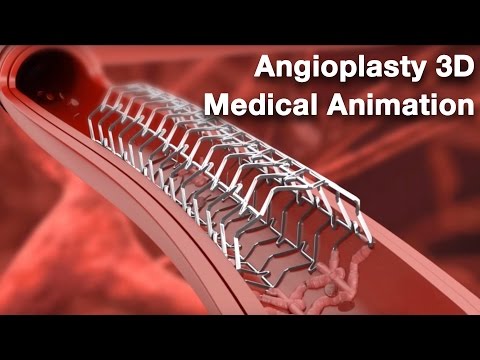
Angioplasty and Stent Placement — Medical 3D Animation
This cinematic 3D medical animation visualizes the complete angioplasty and stent placement procedure in stunning detail — no narration, just visuals

After a Heart Attack — Treatment and Medications Explained
This patient education video explains what happens during a heart attack and the treatments and medications prescribed afterward. The video begins wi
What to Do During a Heart Attack — Emergency Steps That Save Lives
Dr. Demarcus Bayman walks through exactly what to do if you suspect someone is having a heart attack — a situation that occurs every 40 seconds in the