This page explains the first steps to take when someone may be having a heart attack, including emergency recognition, calling 911, and when CPR or an AED may be needed.
This page is educational and not a substitute for emergency medical advice. If a heart attack is suspected, call emergency services immediately.
Recognize a possible heart attack quickly
Warning signs can include chest pain or pressure, shortness of breath, sweating, weakness, and pain spreading to the jaw, back, neck, arms, or shoulders. Some people have less typical symptoms.
Call 911 first
The main action step is to call emergency services right away. Delaying to wait and see can cost heart muscle and can be life-threatening.
When CPR and an AED matter
If the person collapses and has no pulse or is not breathing normally, CPR and early AED use become critical while waiting for professional help.
Key Takeaways
- Call 911 immediately — every 40 seconds someone in the U.S. suffers a heart attack, and speed is critical
- Have the person chew and swallow an aspirin (unless allergic) — it thins the blood and can save their life
- If they have a nitroglycerin prescription, take it immediately while waiting for the ambulance
- No pulse or breathing? Start CPR at 100+ compressions per minute and use an AED if available
- Nearly half of heart attack victims don't realize it at the time — learn the signs before an emergency
FAQ
Should you call 911 for a possible heart attack?
Yes. Calling emergency services immediately is one of the most important first steps.
Can aspirin be used during a suspected heart attack?
This page notes that aspirin may be used unless the person is allergic, but emergency instructions and the person's medical situation still matter.
When should CPR start?
CPR should start if the person becomes unresponsive and is not breathing normally or has no pulse.
Related Topics on Health 656
Related Videos

Aortic Stenosis — Symptoms, Diagnosis, and Valve Replacement Options
The Alliance for Aging Research explains aortic stenosis — a heart valve disease affecting 1.5 million Americans and 1 in 10 people over 75. Aortic s
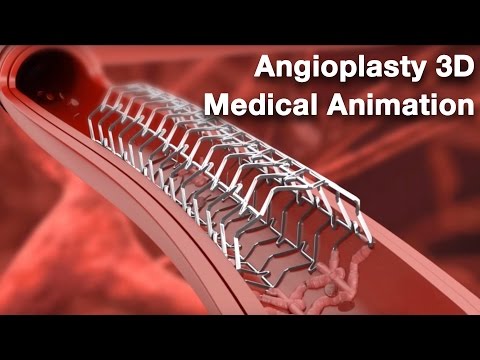
Angioplasty and Stent Placement — Medical 3D Animation
This cinematic 3D medical animation visualizes the complete angioplasty and stent placement procedure in stunning detail — no narration, just visuals

After a Heart Attack — Treatment and Medications Explained
This patient education video explains what happens during a heart attack and the treatments and medications prescribed afterward. The video begins wi
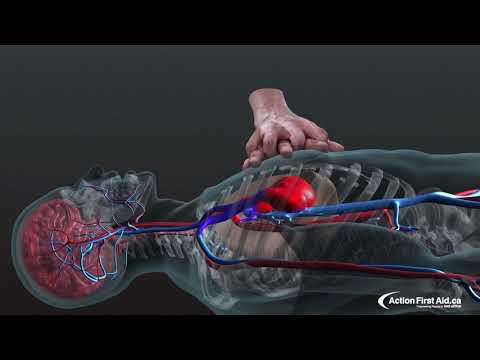
Why CPR Works — The Science Behind Chest Compressions
This visual explainer breaks down exactly what happens inside the body during CPR and why each detail of compression technique matters for survival.