This page explains what type 2 diabetes is, how insulin resistance affects the body, and why symptoms and complications can build gradually over time.
Possible diabetes symptoms should be discussed with a clinician. If you have severe illness, dehydration, confusion, vomiting, or very high blood sugar, seek urgent medical care.
What type 2 diabetes is
Type 2 diabetes happens when the body becomes less responsive to insulin and the pancreas cannot keep up with the extra demand. As a result, glucose stays in the bloodstream instead of moving into cells efficiently.
This is why many readers search for type 2 diabetes explained: the condition is common, often develops gradually, and may go unnoticed for years.
Common symptoms and early warning signs
The page highlights frequent urination, increased thirst, fatigue, weakness, and blurred vision. These symptoms can be subtle at first, which is one reason many people are diagnosed late.
Because symptoms overlap with other conditions, the safest next step is testing rather than guessing.
Why high blood sugar becomes dangerous over time
Persistently high blood sugar can damage both small and large blood vessels. That is why diabetes can affect the eyes, kidneys, nerves, heart, brain, and circulation.
Explaining complications clearly helps searchers understand that type 2 diabetes is not only about sugar levels. It is about long-term risk reduction.
Who is at higher risk
Risk can rise with family history, excess body weight, lower physical activity, some medications, and certain ethnic backgrounds. Risk does not mean blame, and a person can still benefit from diagnosis and treatment at any stage.
Key Takeaways
- Type 2 diabetes means cells resist insulin and the pancreas can't produce enough to compensate
- 1 in 4 people with Type 2 diabetes don't know they have it — early detection is critical
- High blood glucose damages small vessels (eyes, nerves, kidneys) and large vessels (heart, brain)
- Major risk factors: overweight, inactivity, family history, and certain medications
- Key symptoms: frequent urination, excessive thirst, weakness, and blurred vision
FAQ
What is the difference between insulin resistance and type 2 diabetes?
Insulin resistance means the body is not responding well to insulin. Type 2 diabetes develops when that problem is significant enough that blood glucose becomes chronically elevated.
Can type 2 diabetes have no symptoms?
Yes. Some people have few or no obvious symptoms, which is why routine testing matters, especially when risk factors are present.
What organs can type 2 diabetes affect?
Uncontrolled diabetes can affect the eyes, kidneys, nerves, heart, brain, and blood vessels over time.
Related Topics on Health 656
Related Videos

Is the Obesity Crisis Hiding a Bigger Problem?
Surgeon and researcher Peter Attia shares a deeply personal TED talk that challenges the conventional understanding of obesity, diabetes, and insulin
10 Early Signs and Symptoms of Diabetes
This short explainer walks through ten subtle warning signs that diabetes may be developing — often before a formal diagnosis. Diabetes damages the b
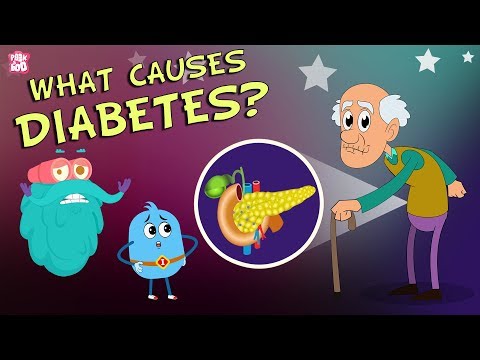
What Causes Diabetes? — Diabetes Mellitus Explained
Dr. Binocs breaks down the science of diabetes mellitus in a beginner-friendly animated explainer aimed at younger audiences. The video starts with t

What Is Diabetes? Type 1 and Type 2 Explained
A clear and accessible overview of diabetes from Diabetes UK, explaining what both Type 1 and Type 2 diabetes are and how they affect the body. The vi