Surgeon and researcher Peter Attia shares a deeply personal TED talk that challenges the conventional understanding of obesity, diabetes, and insulin resistance.
Diabetes information online cannot replace testing, diagnosis, or treatment planning with a qualified clinician.
Overview
Surgeon and researcher Peter Attia shares a deeply personal TED talk that challenges the conventional understanding of obesity, diabetes, and insulin resistance.
Key Details
Attia opens with a confession. As a surgical resident at Johns Hopkins, he treated a diabetic woman who needed a foot amputation — and held her in contempt, assuming her condition was simply the result of eating too much and exercising too little. Years later, despite exercising three to four hours daily and following the food pyramid to the letter, Attia himself developed metabolic syndrome and insulin resistance. The experience shattered his assumptions. The central question he raises: what if we have the cause and effect backwards? Most researchers believe obesity causes insulin resistance. But Attia proposes the reverse — that insulin resistance may cause weight gain, and obesity may be a coping mechanism rather than the root problem. He uses a bruise analogy: a bruise isn't the disease, it's the body's healthy response to trauma. Similarly, fat storage may be the body's safest response to insulin resistance, not its cause.
Practical Takeaway
The evidence is striking. Thirty million obese Americans don't have insulin resistance and show no elevated disease risk. Conversely, six million lean Americans are insulin-resistant and face even greater metabolic risk than their obese counterparts. If you can be obese without insulin resistance and lean with it, obesity may be a proxy — not the problem itself. Attia hypothesizes that refined grains, sugars, and starches drive insulin resistance directly by flooding cells with excess glucose, and that this — not simply overeating — is fueling the epidemics of obesity and diabetes. He lost 40 pounds by restricting these foods while exercising less.
Key Takeaways
- Insulin resistance may cause obesity — not the other way around — making fat storage a coping mechanism rather than the root problem
- 30 million obese Americans have no insulin resistance and no elevated disease risk; 6 million lean Americans are insulin-resistant with higher metabolic risk
- Refined grains, sugars, and starches may drive insulin resistance directly by flooding cells with excess glucose — not just overeating and under-exercising
- Medical bias against overweight patients leads to judgment instead of curiosity — many patients haven't failed the system, the system has failed them
- Scientific humility matters: Attia lost 40 lbs by cutting refined carbs while exercising less, challenging the calories-in-calories-out model
FAQ
What does this page explain?
It explains insulin resistance and obesity explained in plain English.
Should online information replace testing?
No. Diabetes and metabolic symptoms still need proper testing and medical interpretation.
What is the main takeaway?
The main takeaway is to understand the condition better while using testing and professional care for diagnosis and treatment.
Related Topics on Health 656
Related Videos
10 Early Signs and Symptoms of Diabetes
This short explainer walks through ten subtle warning signs that diabetes may be developing — often before a formal diagnosis. Diabetes damages the b
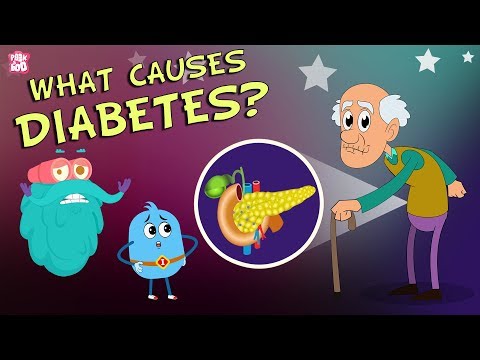
What Causes Diabetes? — Diabetes Mellitus Explained
Dr. Binocs breaks down the science of diabetes mellitus in a beginner-friendly animated explainer aimed at younger audiences. The video starts with t

What Is Diabetes? Type 1 and Type 2 Explained
A clear and accessible overview of diabetes from Diabetes UK, explaining what both Type 1 and Type 2 diabetes are and how they affect the body. The vi
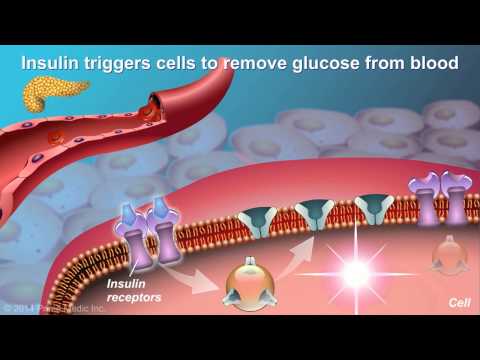
Understanding Type 2 Diabetes
A clear, animated explainer that breaks down exactly what Type 2 diabetes is and how it develops in your body. The video starts with the basics — how