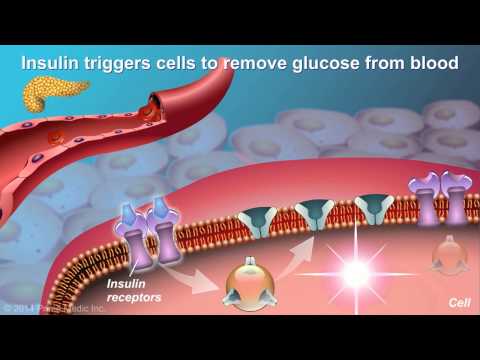
A clear and accessible overview of diabetes from Diabetes UK, explaining what both Type 1 and Type 2 diabetes are and how they affect the body. The video begins with the role of glucose — how carbohydrates break down into glucose, enter the bloodstream, and require insulin (produced by the pancreas) to get into cells and provide energy.
In Type 1 diabetes, the body cannot produce any insulin at all. In Type 2, the insulin produced either doesn't work effectively or isn't produced in sufficient amounts. In both cases, glucose builds up in the bloodstream instead of fueling cells.
The video covers common symptoms — frequent urination, extreme thirst, fatigue, unexplained weight loss, slow-healing wounds, and recurring infections like thrush. It also explains how uncontrolled high blood glucose can seriously damage the heart, eyes, feet, and kidneys over time — known as diabetes complications. The key message: with the right treatment and care, people with diabetes can live healthy lives and reduce their risk of complications.
Key Takeaways
- Type 1 diabetes means the body produces no insulin; Type 2 means insulin is insufficient or ineffective
- In both types, glucose builds up in the bloodstream instead of entering cells for energy
- Key symptoms: frequent urination, extreme thirst, fatigue, slow-healing wounds, and weight loss
- Long-term high blood glucose can damage the heart, eyes, feet, and kidneys
- With proper treatment and care, people with diabetes can live healthy lives and avoid complications