This page explains how the pancreas regulates blood sugar, what insulin and glucagon do, and how diabetes develops when that system stops working properly.
Diabetes has several causes and forms. Education can help, but diagnosis, lab testing, and treatment decisions should be handled by a healthcare professional.
How blood sugar is normally controlled
The pancreas helps regulate blood sugar by releasing insulin when glucose rises and glucagon when glucose falls. These hormones work together to keep energy available without letting blood sugar swing too far.
What goes wrong in diabetes
Diabetes develops when the body cannot make enough insulin, cannot use insulin well, or both. When that happens, glucose stays in the bloodstream instead of being used effectively by cells.
Main types of diabetes
Type 1 diabetes involves destruction of insulin-producing cells. Type 2 diabetes usually involves insulin resistance and reduced insulin effectiveness. Gestational diabetes develops during pregnancy.
Why understanding the cause matters
Searchers often want one simple answer, but diabetes is not one disease with one single cause. A clearer explanation helps readers understand why prevention, screening, and treatment vary by person and diabetes type.
Key Takeaways
- The pancreas regulates blood sugar using two hormones: insulin (lowers glucose by moving it into cells) and glucagon (raises glucose by releasing stored sugar)
- When the pancreas fails to produce enough insulin, glucose builds up in blood and hardens blood vessels — leading to strokes, heart attacks, and kidney failure
- Type 1: immune system destroys insulin-producing cells; Type 2: pancreas underproduces insulin or body resists it; gestational: develops during pregnancy
- 90–95% of adult diabetes cases are Type 2, and the disease affects one in four people over age 65
- There are actually 5 types of diabetes — the less common forms are monogenic (inherited) and cystic fibrosis-related diabetes
FAQ
Does diabetes happen only when the pancreas stops making insulin?
No. That is one cause, but diabetes can also happen when the body becomes resistant to insulin and can no longer keep blood sugar controlled.
What is the difference between insulin and glucagon?
Insulin lowers blood sugar by helping glucose move into cells. Glucagon raises blood sugar by signaling the release of stored glucose.
Is gestational diabetes the same as type 2 diabetes?
No. Gestational diabetes develops during pregnancy, although it can increase future risk of type 2 diabetes later on.
Related Topics on Health 656
Related Videos

Is the Obesity Crisis Hiding a Bigger Problem?
Surgeon and researcher Peter Attia shares a deeply personal TED talk that challenges the conventional understanding of obesity, diabetes, and insulin
10 Early Signs and Symptoms of Diabetes
This short explainer walks through ten subtle warning signs that diabetes may be developing — often before a formal diagnosis. Diabetes damages the b

What Is Diabetes? Type 1 and Type 2 Explained
A clear and accessible overview of diabetes from Diabetes UK, explaining what both Type 1 and Type 2 diabetes are and how they affect the body. The vi
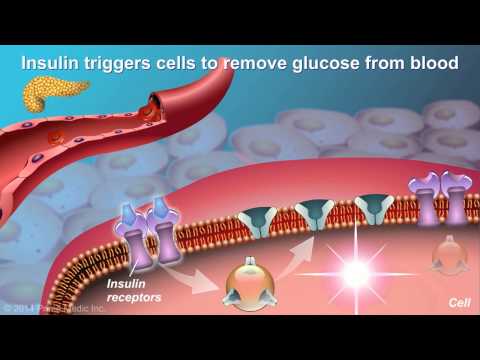
Understanding Type 2 Diabetes
A clear, animated explainer that breaks down exactly what Type 2 diabetes is and how it develops in your body. The video starts with the basics — how