This page explains how plaque builds up in the coronary arteries, what happens when it ruptures, and why a blocked artery can quickly become life-threatening.
Possible heart attack symptoms are a medical emergency. Call emergency services rather than relying on online information during an active event.
Why coronary arteries matter
The coronary arteries supply blood to the heart muscle itself. If one becomes blocked, the heart muscle downstream can lose its oxygen supply.
How plaque rupture leads to a heart attack
The key event is often plaque rupture followed by clot formation. That clot can sharply reduce or completely stop blood flow in the affected artery.
Heart attack vs cardiac arrest
A heart attack is a blood-flow problem. Cardiac arrest is an electrical or pumping failure. A heart attack can lead to cardiac arrest, but they are not the same thing.
Key Takeaways
- Just two coronary arteries supply blood to your entire heart — a blockage in either one can trigger a heart attack
- Plaque buildup narrows and hardens arteries over time; if it ruptures, a blood clot forms and cuts off blood flow
- Without quick medical treatment, heart cells begin dying rapidly — making fast response critical to survival
FAQ
What causes most heart attacks?
Many heart attacks happen when plaque in a coronary artery ruptures and a blood clot suddenly blocks blood flow.
Are heart attack and cardiac arrest the same?
No. A heart attack involves blocked blood flow. Cardiac arrest means the heart suddenly stops pumping effectively.
Can a small artery blockage be dangerous?
Yes. Even a blockage in a relatively small coronary artery can damage heart muscle and become an emergency.
Related Topics on Health 656
Related Videos

Aortic Stenosis — Symptoms, Diagnosis, and Valve Replacement Options
The Alliance for Aging Research explains aortic stenosis — a heart valve disease affecting 1.5 million Americans and 1 in 10 people over 75. Aortic s
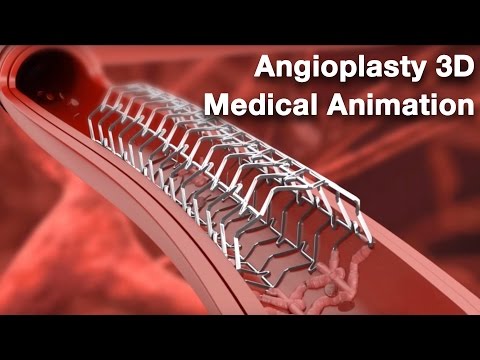
Angioplasty and Stent Placement — Medical 3D Animation
This cinematic 3D medical animation visualizes the complete angioplasty and stent placement procedure in stunning detail — no narration, just visuals

After a Heart Attack — Treatment and Medications Explained
This patient education video explains what happens during a heart attack and the treatments and medications prescribed afterward. The video begins wi
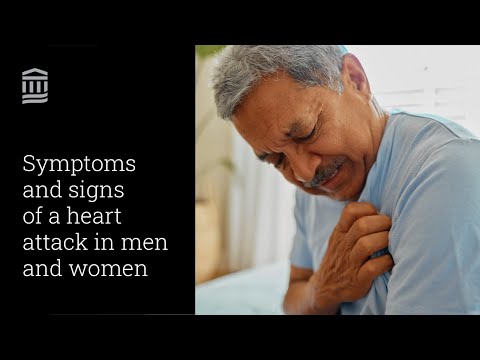
What to Do During a Heart Attack — Emergency Steps That Save Lives
Dr. Demarcus Bayman walks through exactly what to do if you suspect someone is having a heart attack — a situation that occurs every 40 seconds in the