Dr. Mike Heffernan, a cardiologist and returning guest on Talking with Docs, reveals the five things he personally does to protect his own heart. This isn't textbook advice — it's what a heart specialist actually practices in his own life.
Heart symptoms and treatment decisions should be evaluated by a qualified clinician, especially when symptoms are new, severe, or worsening.
Overview
Dr. Mike Heffernan, a cardiologist and returning guest on Talking with Docs, reveals the five things he personally does to protect his own heart. This isn't textbook advice — it's what a heart specialist actually practices in his own life.
Key Details
Number one is exercise: 150 minutes of moderate-to-vigorous aerobic activity per week. Not walking — cycling, running, rowing. Research shows this reduces cardiac events and mortality. Number two is eating well — more fruits, vegetables, and legumes, lean cuts of meat, and watching portion sizes. Combined with exercise, this keeps weight in a healthy range. Number three is knowing your numbers — especially blood pressure and cholesterol. Dr. Heffernan stresses that 85% of your cholesterol is genetically determined, so even fit people with clean diets can have dangerously high LDL. You can't out-exercise bad genetics, and sometimes medication is necessary. Number four is sleep — aiming for seven to eight hours to let the body recover and regenerate. Number five is having a hobby or activity outside of work to reduce stress, lower cortisol, and support mental health.
Why It Matters
A strong people-first summary connects the topic to practical next steps, context, and when professional care may matter.
Key Takeaways
- 150 minutes of moderate-to-vigorous aerobic exercise per week reduces cardiac events and mortality
- Eat more fruits, vegetables, and legumes — lean meats only, watch portion sizes
- Know your numbers — 85% of cholesterol is genetic, so even healthy eaters may need medication
- Prioritize 7-8 hours of sleep for recovery and heart health
- Have a hobby outside work to reduce stress and cortisol levels
FAQ
What does this page explain?
It explains how to keep your heart healthy in plain English, focusing on the main symptoms, mechanisms, or treatments described in the source content.
When should medical care be sought?
Urgent or severe heart-related symptoms should be assessed right away rather than managed only with online information.
What is the main takeaway?
The main takeaway is to understand the condition or emergency clearly and connect it to prompt evaluation, treatment, or prevention where appropriate.
Related Topics on Health 656
Related Videos

Aortic Stenosis — Symptoms, Diagnosis, and Valve Replacement Options
The Alliance for Aging Research explains aortic stenosis — a heart valve disease affecting 1.5 million Americans and 1 in 10 people over 75. Aortic s
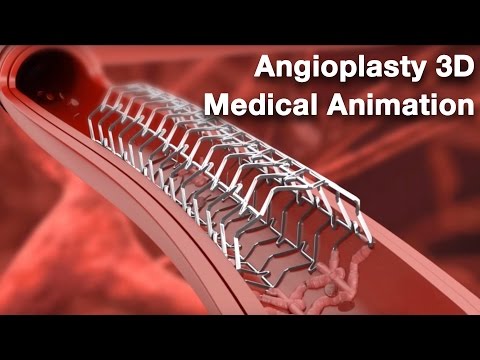
Angioplasty and Stent Placement — Medical 3D Animation
This cinematic 3D medical animation visualizes the complete angioplasty and stent placement procedure in stunning detail — no narration, just visuals

After a Heart Attack — Treatment and Medications Explained
This patient education video explains what happens during a heart attack and the treatments and medications prescribed afterward. The video begins wi
What to Do During a Heart Attack — Emergency Steps That Save Lives
Dr. Demarcus Bayman walks through exactly what to do if you suspect someone is having a heart attack — a situation that occurs every 40 seconds in the