A quick YouTube Short visualizing the mechanics of a heart attack. A coronary artery becomes blocked by plaque — a sticky mix of fat and other substances that builds up on artery walls. When the plaque ruptures, it forms a clot that obstructs blood flow. As the heart struggles to pump through the blockage, the rest of the body suffers from reduced blood supply.
Possible heart attack or cardiac arrest symptoms need emergency care. Call emergency services rather than relying on online information during an active event.
Overview
A quick YouTube Short visualizing the mechanics of a heart attack. A coronary artery becomes blocked by plaque — a sticky mix of fat and other substances that builds up on artery walls. When the plaque ruptures, it forms a clot that obstructs blood flow. As the heart struggles to pump through the blockage, the rest of the body suffers from reduced blood supply.
Key Details
The source content adds more detail on mechanisms, symptoms, or practical implications that readers are likely searching for.
Why It Matters
A strong people-first summary connects the topic to practical next steps, context, and when professional care may matter.
Key Takeaways
- A heart attack occurs when plaque — a sticky mix of fat — ruptures inside a coronary artery and forms a blood clot
- The clot blocks blood flow to the heart, and as the heart struggles to pump, the entire body receives reduced blood supply
FAQ
What does this page explain?
It explains how a heart attack happens — in 30 seconds in plain English, focusing on the main symptoms, mechanisms, or treatments described in the source content.
When should medical care be sought?
Urgent or severe heart-related symptoms should be assessed right away rather than managed only with online information.
What is the main takeaway?
The main takeaway is to understand the condition or emergency clearly and connect it to prompt evaluation, treatment, or prevention where appropriate.
Related Topics on Health 656
Related Videos

Aortic Stenosis — Symptoms, Diagnosis, and Valve Replacement Options
The Alliance for Aging Research explains aortic stenosis — a heart valve disease affecting 1.5 million Americans and 1 in 10 people over 75. Aortic s
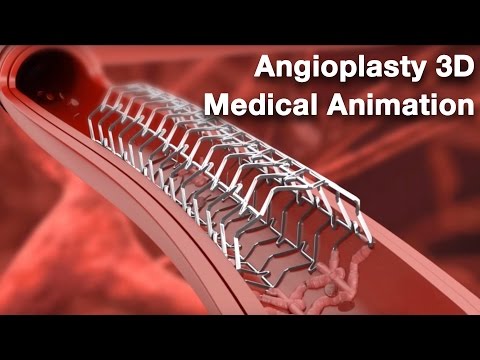
Angioplasty and Stent Placement — Medical 3D Animation
This cinematic 3D medical animation visualizes the complete angioplasty and stent placement procedure in stunning detail — no narration, just visuals

After a Heart Attack — Treatment and Medications Explained
This patient education video explains what happens during a heart attack and the treatments and medications prescribed afterward. The video begins wi
What to Do During a Heart Attack — Emergency Steps That Save Lives
Dr. Demarcus Bayman walks through exactly what to do if you suspect someone is having a heart attack — a situation that occurs every 40 seconds in the