Dr. Jen Ashton hosts this ABC News special on heart disease, the number one killer in America — claiming one life every 36 seconds. The segment introduces three distinct risk categories through real patient stories.
Heart symptoms and treatment decisions should be evaluated by a qualified clinician, especially when symptoms are new, severe, or worsening.
Overview
Dr. Jen Ashton hosts this ABC News special on heart disease, the number one killer in America — claiming one life every 36 seconds. The segment introduces three distinct risk categories through real patient stories.
Key Details
Typical risk patients have known underlying conditions. The top five risk factors are high blood pressure, diabetes, high cholesterol, smoking, and family history. Kristin, a typical risk patient, had a blood sugar of 580 and was told the heart attack or undiagnosed diabetes could have killed her that night. Invisible risk patients have no underlying conditions — their risk factors hide in their DNA. Bob Harper, the Biggest Loser trainer and fitness expert, suffered a heart attack and cardiac arrest while working out in his own gym. He was saved only because someone called 911 and a doctor happened to be present. His story illustrates that peak physical fitness doesn't guarantee heart safety.
Why It Matters
New risk from COVID-19 emerged in patients like George Garrett, who developed myocarditis (inflammation of the heart muscle) and atrial fibrillation after COVID — despite having no prior heart conditions. While this affects a small subset of COVID patients, it represents a new category doctors are monitoring. The hopeful message: 90% of heart disease is completely preventable. The key is knowing your risk factors, listening to your body, and not waiting until your 30s to start caring about heart health. All three patients emphasize that if something feels off, don't ignore it — go get checked.
Key Takeaways
- Heart disease claims one life every 36 seconds in America, but 90% of it is completely preventable
- Top five risk factors: high blood pressure, diabetes, high cholesterol, smoking, and family history — know your numbers
- Invisible risk is real: Bob Harper was a peak-fitness trainer who suffered cardiac arrest in his own gym — genetics can override lifestyle
- COVID-19 can cause myocarditis and atrial fibrillation even in people with no prior heart conditions
- Don't wait until your 30s to care about heart health — if something feels off, go get checked immediately
FAQ
What does this page explain?
It explains heart disease risk factors in plain English, focusing on the main symptoms, mechanisms, or treatments described in the source content.
When should medical care be sought?
Urgent or severe heart-related symptoms should be assessed right away rather than managed only with online information.
What is the main takeaway?
The main takeaway is to understand the condition or emergency clearly and connect it to prompt evaluation, treatment, or prevention where appropriate.
Related Topics on Health 656
Related Videos

Aortic Stenosis — Symptoms, Diagnosis, and Valve Replacement Options
The Alliance for Aging Research explains aortic stenosis — a heart valve disease affecting 1.5 million Americans and 1 in 10 people over 75. Aortic s
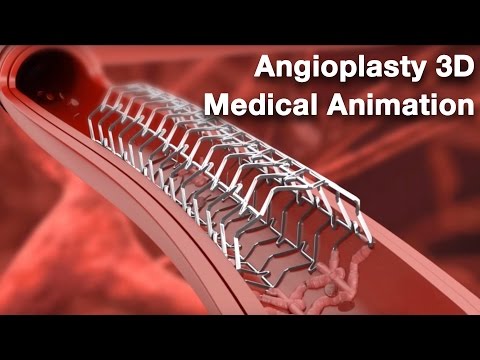
Angioplasty and Stent Placement — Medical 3D Animation
This cinematic 3D medical animation visualizes the complete angioplasty and stent placement procedure in stunning detail — no narration, just visuals

After a Heart Attack — Treatment and Medications Explained
This patient education video explains what happens during a heart attack and the treatments and medications prescribed afterward. The video begins wi
What to Do During a Heart Attack — Emergency Steps That Save Lives
Dr. Demarcus Bayman walks through exactly what to do if you suspect someone is having a heart attack — a situation that occurs every 40 seconds in the