This page explains what diabetes is, how insulin helps control blood sugar, and how type 1 and type 2 diabetes differ in cause and treatment.
Symptoms such as excessive thirst, frequent urination, unexplained weight loss, or severe illness should be medically assessed. Diabetes diagnosis and treatment require proper testing.
What diabetes is
Diabetes is a condition where glucose builds up in the blood because the body cannot use insulin properly or cannot make enough insulin. Insulin is the hormone that helps move glucose from the bloodstream into cells for energy.
Type 1 vs type 2 diabetes
Type 1 diabetes happens when the body stops making insulin. Type 2 diabetes usually involves insulin resistance, meaning the body does not respond to insulin well and may not make enough to keep blood sugar controlled.
This distinction matters because treatment needs are different, even though both conditions can cause high blood sugar.
Common symptoms to know
Symptoms can include increased thirst, frequent urination, fatigue, unexplained weight loss, slow-healing wounds, and recurrent infections. Some people have subtle symptoms at first, which is why testing matters.
Why diabetes affects more than blood sugar
Long-term high blood glucose can damage blood vessels and nerves. That is why diabetes can affect the eyes, kidneys, feet, heart, and overall circulation.
Key Takeaways
- Type 1 diabetes means the body produces no insulin; Type 2 means insulin is insufficient or ineffective
- In both types, glucose builds up in the bloodstream instead of entering cells for energy
- Key symptoms: frequent urination, extreme thirst, fatigue, slow-healing wounds, and weight loss
- Long-term high blood glucose can damage the heart, eyes, feet, and kidneys
- With proper treatment and care, people with diabetes can live healthy lives and avoid complications
FAQ
What is the main difference between type 1 and type 2 diabetes?
Type 1 diabetes means the body produces little or no insulin. Type 2 diabetes usually involves insulin resistance and an eventual mismatch between insulin needs and insulin production.
Can type 2 diabetes happen without obvious symptoms?
Yes. Some people have mild or no clear symptoms for a long time, which is one reason routine testing can be important.
Can diabetes damage the heart and kidneys?
Yes. Over time, uncontrolled blood sugar can damage blood vessels and organs including the heart, kidneys, eyes, and nerves.
Related Topics on Health 656
Related Videos

Is the Obesity Crisis Hiding a Bigger Problem?
Surgeon and researcher Peter Attia shares a deeply personal TED talk that challenges the conventional understanding of obesity, diabetes, and insulin
10 Early Signs and Symptoms of Diabetes
This short explainer walks through ten subtle warning signs that diabetes may be developing — often before a formal diagnosis. Diabetes damages the b
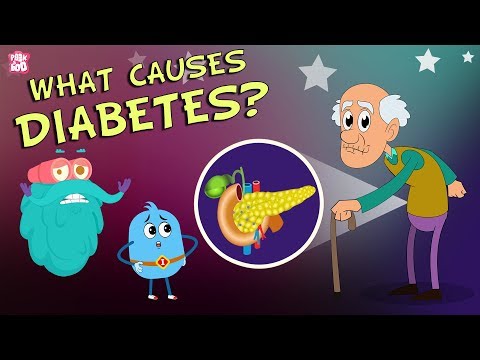
What Causes Diabetes? — Diabetes Mellitus Explained
Dr. Binocs breaks down the science of diabetes mellitus in a beginner-friendly animated explainer aimed at younger audiences. The video starts with t
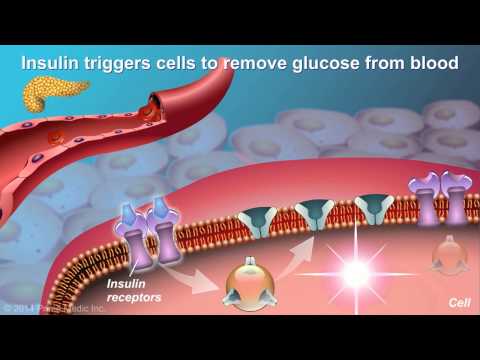
Understanding Type 2 Diabetes
A clear, animated explainer that breaks down exactly what Type 2 diabetes is and how it develops in your body. The video starts with the basics — how