A fast-paced, animated deep dive into how nutrition actually works inside your body — from the moment food enters your mouth to how cells turn it into energy. The video covers the entire digestive pipeline: mouth (grinding), stomach (acid tank), small intestine (absorption zone with villi and microvilli), and liver (the command center that decides what to burn, store, or detox).
Nutrition needs vary by age, medical conditions, medications, pregnancy status, and activity level. Personal advice should be individualized.
Nutrition Basics
A fast-paced, animated deep dive into how nutrition actually works inside your body — from the moment food enters your mouth to how cells turn it into energy. The video covers the entire digestive pipeline: mouth (grinding), stomach (acid tank), small intestine (absorption zone with villi and microvilli), and liver (the command center that decides what to burn, store, or detox).
Key Details
The three macronutrients are broken down clearly. Carbohydrates all convert to glucose — simple carbs spike blood sugar fast while complex carbs release slowly. Fats aren't the enemy: saturated fats are fine for cooking, monounsaturated (olive oil) are the gold standard, polyunsaturated provide essential omega-3s and omega-6s, but artificial trans fats should be avoided completely. Protein has no storage tank — if you don't eat enough, your body steals from muscles, hair, and nails. You need about 30g of quality protein per meal to trigger muscle protein synthesis via leucine. The video also covers micronutrients (fat-soluble vs water-soluble vitamins, minerals), gut health and the microbiome, how ultra-processed foods hijack your brain's dopamine system, and ends with a practical 4-step nutrition strategy: cut processed food, prioritize protein, adjust carb/fat ratios to your lifestyle, and supplement only specific gaps confirmed by blood work.
What Readers Should Take Away
A strong people-first summary connects the topic to practical next steps, context, and when professional care may matter.
Key Takeaways
- You're not what you eat — you're what you absorb; gut health determines nutrient uptake
- All carbs become glucose — complex carbs release slowly, simple carbs spike and crash
- You need ~30g protein per meal to trigger muscle protein synthesis via leucine
- Ultra-processed foods hit a bliss point that short-circuits your brain's stop signal
- 4-step strategy: cut processed food, prioritize protein, adjust carb/fat ratios, then supplement gaps
FAQ
What does this page explain?
It explains nutrition explained in practical, plain-English terms.
Should nutrition advice be individualized?
Yes. Age, health conditions, medications, activity level, and goals all affect what makes sense for one person.
What is the main takeaway?
The main takeaway is to focus on nutrition fundamentals and overall diet quality rather than chasing simplistic rules.
Related Topics on Health 656
Related Videos
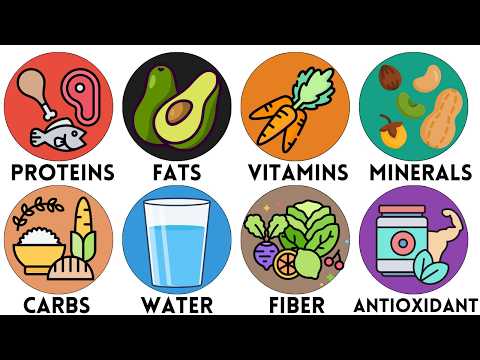
Complete Guide to Nutrition: Proteins, Fats, Vitamins, Minerals & More
A comprehensive and entertaining walkthrough of every major nutrient your body needs to function — proteins, fats, vitamins, minerals, carbohydrates,
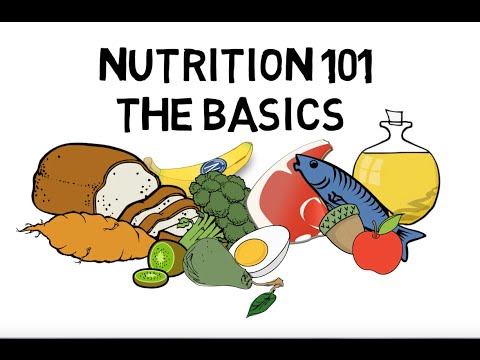
Nutrition 101: The Basics of Macronutrients
A beginner-friendly breakdown of the three macronutrients — protein, carbohydrates, and fat — and why each one matters for your body. The video starts
What Happens To Your Body When You STOP Eating Sugar
How could something so sweet be slowly killing you from the inside? This video puts sugar on the chopping block and reveals what it really does to you