A beginner-friendly breakdown of the three macronutrients — protein, carbohydrates, and fat — and why each one matters for your body. The video starts by reframing calories as energy, then splits that energy into the three macros.
Protein provides 4 calories per gram. Its main role is growth and repair — after an intense gym session, protein helps rebuild and repair muscle tissue. Best sources include chicken, beef, lamb, eggs, fish, nuts, and seeds.
Carbohydrates also provide 4 calories per gram and are the body's most preferred energy source for physical activity. They split into two types: simple carbs (fast-acting — energy drinks, sugary sweets, most fruits) and complex carbs (slow-acting — brown rice, whole grain cereals, whole grain pasta). Complex carbs are recommended because they release energy slowly, keeping you fuller for longer.
Fat provides 9 calories per gram — more than double the other two macros, which explains some of the confusion around it. Despite its reputation, fat is essential: it acts as a backup energy source when carbs run out, and supports hair, skin, nail production, and hormone control. Sources include fish, nuts, eggs, seeds, cooking oils, steak, and butter. The average person needs 40–80g of fat per day and should not cut it out entirely.
Key Takeaways
- Protein (4 cal/g) is for growth and repair — essential after workouts to rebuild muscle
- Carbohydrates (4 cal/g) are the body's preferred energy source — choose complex carbs for sustained energy
- Simple carbs spike energy fast; complex carbs (brown rice, whole grains) release slowly and keep you fuller
- Fat (9 cal/g) is not the enemy — it's a backup energy source and vital for hormones, skin, hair, and nails
- Average person needs 40–80g of fat per day — don't cut it out completely
Related Videos
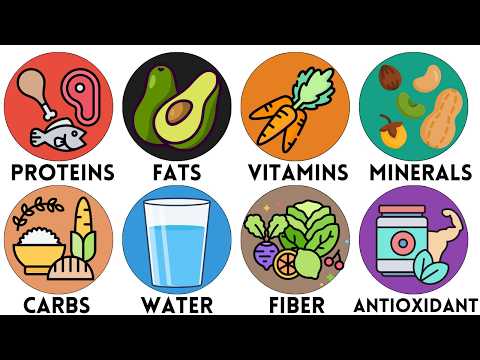
Complete Guide to Nutrition: Proteins, Fats, Vitamins, Minerals & More
A comprehensive and entertaining walkthrough of every major nutrient your body needs to function — proteins, fats, vitamins, minerals, carbohydrates,
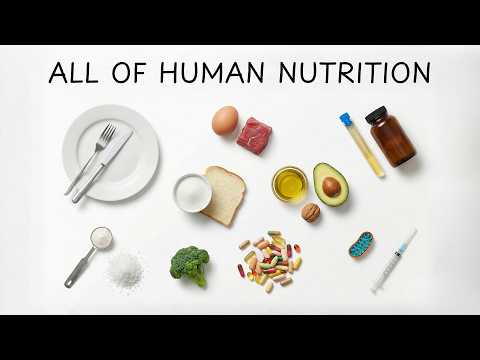
Nutrition Explained — Everything You Need to Know
A fast-paced, animated deep dive into how nutrition actually works inside your body — from the moment food enters your mouth to how cells turn it into
What Happens To Your Body When You STOP Eating Sugar
How could something so sweet be slowly killing you from the inside? This video puts sugar on the chopping block and reveals what it really does to you