A comprehensive and entertaining walkthrough of every major nutrient your body needs to function — proteins, fats, vitamins, minerals, carbohydrates, water, fiber, and antioxidants.
Proteins break down into 20 amino acids (9 essential), building and repairing tissues, making enzymes and hormones, powering the immune system, and even transporting oxygen via hemoglobin. Complete sources include meat, fish, eggs, and dairy; plant sources like beans and quinoa can be combined.
Fats — long unfairly villainized — form cell membranes, cushion organs, enable absorption of fat-soluble vitamins A, D, E, and K, and produce hormones. Healthy sources include avocados, olive oil, nuts, fatty fish, and dark chocolate; trans fats from processed foods should be avoided.
Vitamins A, D, E, and K are fat-soluble; C and the eight B vitamins are water-soluble. Each has a specific role — from vision and bone health (A, D) to immunity and collagen production (C) to energy metabolism (B complex).
Minerals like calcium and phosphorus build bones; magnesium powers 300+ enzyme reactions; iron carries oxygen; zinc supports immunity; iodine regulates metabolism. Carbohydrates fuel the brain (120g/day) and muscles (stored as glycogen) — complex carbs from whole grains release energy slowly and prevent crashes.
Water makes up 60% of the body, regulates temperature, lubricates joints, and flushes toxins. Fiber — soluble and insoluble — controls appetite, lowers cholesterol, feeds gut bacteria, and stabilizes blood sugar. Antioxidants (vitamins C and E, beta-carotene, flavonoids, polyphenols) neutralize free radicals, reducing inflammation, aging, and chronic disease risk.
Key Takeaways
- 9 of 20 amino acids are essential — your body can't make them, so you must eat them
- Fat is essential: it enables absorption of vitamins A, D, E, and K and is needed for hormone production
- Complex carbs from whole grains release energy slowly — preventing crashes and keeping you fuller longer
- Fiber feeds gut bacteria, lowers cholesterol, and stabilizes blood sugar — most people don't eat enough
- Antioxidants from colorful whole foods neutralize free radicals better than any supplement
Related Videos
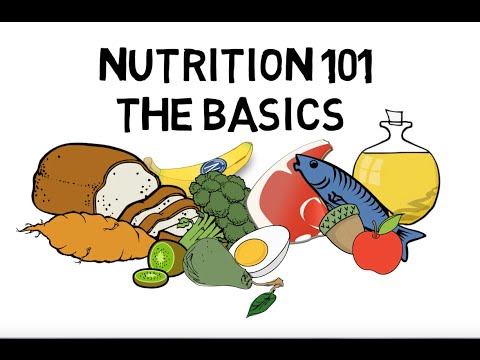
Nutrition 101: The Basics of Macronutrients
A beginner-friendly breakdown of the three macronutrients — protein, carbohydrates, and fat — and why each one matters for your body. The video starts
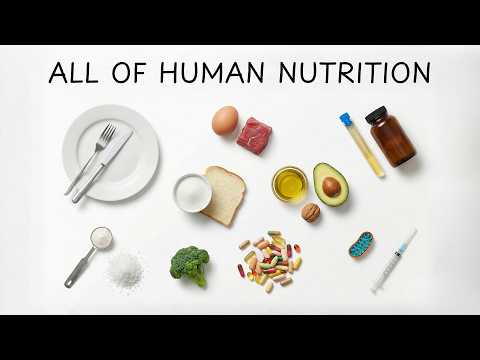
Nutrition Explained — Everything You Need to Know
A fast-paced, animated deep dive into how nutrition actually works inside your body — from the moment food enters your mouth to how cells turn it into

What Happens To Your Body When You STOP Eating Sugar
How could something so sweet be slowly killing you from the inside? This video puts sugar on the chopping block and reveals what it really does to you