A cardiac surgeon explains in under a minute how doctors assess heart strength. It starts with history and physical examination — shortness of breath when walking, inability to lie flat and breathe comfortably, and swollen legs are all red flags for heart conditions.
Heart symptoms and treatment decisions should be evaluated by a qualified clinician, especially when symptoms are new, severe, or worsening.
Overview
A cardiac surgeon explains in under a minute how doctors assess heart strength. It starts with history and physical examination — shortness of breath when walking, inability to lie flat and breathe comfortably, and swollen legs are all red flags for heart conditions.
Key Details
The key diagnostic tool is an echocardiogram — an ultrasound probe placed on the chest that measures ejection fraction: the percentage of blood ejected from the heart with each beat. A normal ejection fraction is 65–70%. If it's markedly decreased, that indicates heart failure or a weak heart. In cardiac surgery, heart function is the single most important factor in patient outcomes — patients with strong hearts do significantly better than those with weak hearts.
Why It Matters
A strong people-first summary connects the topic to practical next steps, context, and when professional care may matter.
Key Takeaways
- Red flags for a weak heart: shortness of breath when walking, inability to lie flat comfortably, and swollen legs
- An echocardiogram measures ejection fraction — normal is 65–70%; markedly lower indicates heart failure
- In cardiac surgery, heart function is the single most important factor in how well patients recover
FAQ
What does this page explain?
It explains how can you tell if your heart is weak or strong? in plain English, focusing on the main symptoms, mechanisms, or treatments described in the source content.
When should medical care be sought?
Urgent or severe heart-related symptoms should be assessed right away rather than managed only with online information.
What is the main takeaway?
The main takeaway is to understand the condition or emergency clearly and connect it to prompt evaluation, treatment, or prevention where appropriate.
Related Topics on Health 656
Related Videos

Aortic Stenosis — Symptoms, Diagnosis, and Valve Replacement Options
The Alliance for Aging Research explains aortic stenosis — a heart valve disease affecting 1.5 million Americans and 1 in 10 people over 75. Aortic s
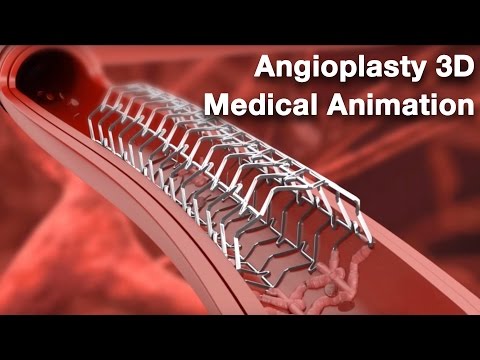
Angioplasty and Stent Placement — Medical 3D Animation
This cinematic 3D medical animation visualizes the complete angioplasty and stent placement procedure in stunning detail — no narration, just visuals

After a Heart Attack — Treatment and Medications Explained
This patient education video explains what happens during a heart attack and the treatments and medications prescribed afterward. The video begins wi
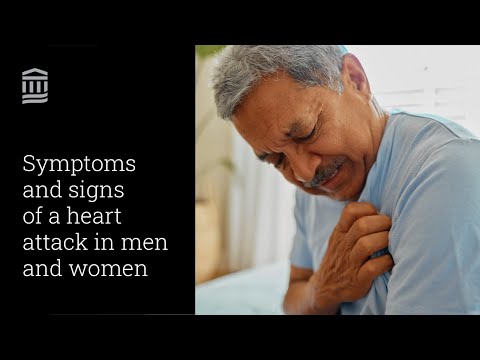
What to Do During a Heart Attack — Emergency Steps That Save Lives
Dr. Demarcus Bayman walks through exactly what to do if you suspect someone is having a heart attack — a situation that occurs every 40 seconds in the