A hospice nurse explains what families and patients can expect when placed on hospice for end-stage congestive heart failure (CHF), breaking down the disease's unique decline pattern and how symptoms are managed.
Heart symptoms and treatment decisions should be evaluated by a qualified clinician, especially when symptoms are new, severe, or worsening.
Overview
A hospice nurse explains what families and patients can expect when placed on hospice for end-stage congestive heart failure (CHF), breaking down the disease's unique decline pattern and how symptoms are managed.
Key Details
Unlike metastatic cancer, which often follows a steep downhill slope, CHF follows a staircase pattern. Patients plateau for periods, then experience a sudden exacerbation — often landing in the hospital — where they decline sharply. Sometimes they're placed on hospice at that low point, but with CHF, many patients climb back up and plateau again, sometimes well enough to come off hospice entirely. This cycle of on-and-off hospice can repeat multiple times over years, which is characteristic of chronic terminal illnesses like CHF, COPD, and Alzheimer's dementia. The two dominant symptoms in end-stage CHF are shortness of breath and edema (swelling, primarily in the legs and feet) that makes walking and basic movement difficult. Treatment typically includes cardiac medications, diuretics to pull fluid off, intermittent oxygen for breathlessness, and low-dose morphine to ease the sensation of air hunger and pain.
Why It Matters
The disease has good days and bad days. Some weeks edema is down and breathing is manageable; other weeks swelling returns, breathing becomes labored, and basic tasks like getting to the bathroom become a struggle. When a change in condition occurs, calling the hospice team allows medication adjustments that can often bring relief. The nurse emphasizes a caregiving framework for families: ask yourself three questions — are they clean, are they safe, are they comfortable? If the answer is yes to all three, you're doing a great job. And as the disease progresses and medications can only do so much, comfort becomes the primary goal.
Key Takeaways
- CHF declines in a staircase pattern — patients plateau, drop during exacerbations, then often climb back up, unlike cancer's steep slope
- Patients can go on and off hospice multiple times with CHF — improvement doesn't mean the disease is gone, just that this cycle's low point has passed
- The two main end-stage symptoms are shortness of breath and leg/foot edema — diuretics, oxygen, and low-dose morphine manage both
- For caregivers: ask three questions — are they clean, safe, and comfortable? If yes, you're doing a great job
- Call the hospice team whenever there's a change in condition — medication adjustments can often bring meaningful relief
FAQ
What does this page explain?
It explains end-stage congestive heart failure on hospice — what to expect in plain English, focusing on the main symptoms, mechanisms, or treatments described in the source content.
When should medical care be sought?
Urgent or severe heart-related symptoms should be assessed right away rather than managed only with online information.
What is the main takeaway?
The main takeaway is to understand the condition or emergency clearly and connect it to prompt evaluation, treatment, or prevention where appropriate.
Related Topics on Health 656
Related Videos

Aortic Stenosis — Symptoms, Diagnosis, and Valve Replacement Options
The Alliance for Aging Research explains aortic stenosis — a heart valve disease affecting 1.5 million Americans and 1 in 10 people over 75. Aortic s
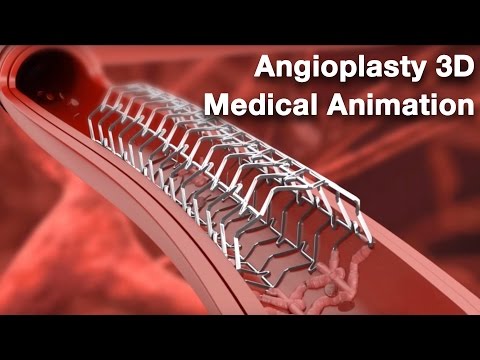
Angioplasty and Stent Placement — Medical 3D Animation
This cinematic 3D medical animation visualizes the complete angioplasty and stent placement procedure in stunning detail — no narration, just visuals

After a Heart Attack — Treatment and Medications Explained
This patient education video explains what happens during a heart attack and the treatments and medications prescribed afterward. The video begins wi
What to Do During a Heart Attack — Emergency Steps That Save Lives
Dr. Demarcus Bayman walks through exactly what to do if you suspect someone is having a heart attack — a situation that occurs every 40 seconds in the