This medical animation explains atrial fibrillation (AFib), a type of arrhythmia where the heart's upper chambers contract in rapid, uncoordinated twitches instead of a steady rhythm.
Heart symptoms and treatment decisions should be evaluated by a qualified clinician, especially when symptoms are new, severe, or worsening.
Overview
This medical animation explains atrial fibrillation (AFib), a type of arrhythmia where the heart's upper chambers contract in rapid, uncoordinated twitches instead of a steady rhythm.
Key Details
The video starts with normal heart function. The heart has four chambers — right and left atria, right and left ventricles. Each heartbeat begins at the sinoatrial (SA) node, the heart's natural pacemaker in the right atrium. An electrical signal spreads across both atria, causing them to contract and push blood into the ventricles. The signal then passes through the atrioventricular (AV) node to the ventricles, which contract to pump blood to the lungs and body. In atrial fibrillation, electrical signals originate from abnormal locations in the atria and nearby pulmonary veins. These chaotic signals cause the atria to quiver and twitch rapidly instead of contracting in a coordinated way. The AV node gets bombarded with signals, causing the ventricles to beat fast and irregularly — but they still can't keep up with the atrial rate, resulting in an uncoordinated heartbeat.
Why It Matters
The two major complications: when chambers don't empty completely, blood pools in the atria and clots can form. These clots can travel through the neck into the brain, causing a stroke. Additionally, if the heart consistently can't pump enough blood to meet the body's needs, heart failure develops. Treatment options include antiarrhythmic medications to restore a regular rhythm, beta blockers to slow the heart rate, electrical cardioversion (a controlled shock to reset the rhythm), catheter ablation (using radio wave energy to destroy tissue generating abnormal signals), and pacemaker implantation to regulate the heart's rhythm long-term.
Key Takeaways
- In AFib, chaotic electrical signals from abnormal locations cause the atria to quiver instead of contracting rhythmically
- Blood pooling in the atria can form clots that travel to the brain and cause a stroke — the most dangerous AFib complication
- If the heart consistently can't pump enough blood due to irregular rhythm, heart failure can develop over time
- Antiarrhythmic drugs restore rhythm while beta blockers slow heart rate — both may be needed together
- Procedures like cardioversion (shock), ablation (destroying abnormal tissue), or pacemaker placement can restore normal heart function
FAQ
What does this page explain?
It explains atrial fibrillation explained — how it happens and how it's treated in plain English, focusing on the main symptoms, mechanisms, or treatments described in the source content.
When should medical care be sought?
Urgent or severe heart-related symptoms should be assessed right away rather than managed only with online information.
What is the main takeaway?
The main takeaway is to understand the condition or emergency clearly and connect it to prompt evaluation, treatment, or prevention where appropriate.
Related Topics on Health 656
Related Videos

Aortic Stenosis — Symptoms, Diagnosis, and Valve Replacement Options
The Alliance for Aging Research explains aortic stenosis — a heart valve disease affecting 1.5 million Americans and 1 in 10 people over 75. Aortic s
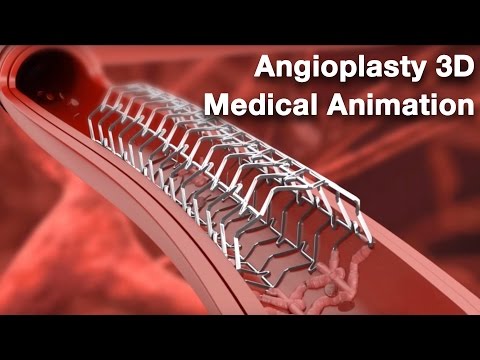
Angioplasty and Stent Placement — Medical 3D Animation
This cinematic 3D medical animation visualizes the complete angioplasty and stent placement procedure in stunning detail — no narration, just visuals

After a Heart Attack — Treatment and Medications Explained
This patient education video explains what happens during a heart attack and the treatments and medications prescribed afterward. The video begins wi

What to Do During a Heart Attack — Emergency Steps That Save Lives
Dr. Demarcus Bayman walks through exactly what to do if you suspect someone is having a heart attack — a situation that occurs every 40 seconds in the