Sunlight in the First 30 Minutes — The Circadian Anchor
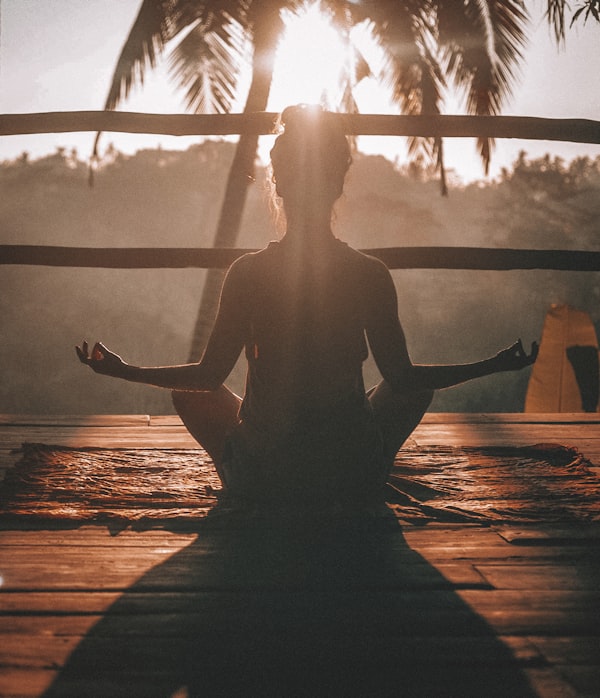
Stanford neuroscientist Andrew Huberman popularized morning sunlight for a reason: a 2022 Nature Neuroscience paper showed that 10-30 minutes of outdoor light within 30 minutes of waking sets suprachiasmatic nucleus (SCN) timing, reducing cortisol awakening-response dysfunction and improving nighttime melatonin onset by 1.5-2 hours.
Even on a cloudy day, outdoor light delivers 10,000-25,000 lux vs ~500 lux indoors — an order of magnitude difference that explains why bright-light therapy (10,000 lux lamps) is prescribed clinically for seasonal affective disorder. A 2021 JAMA Psychiatry RCT showed morning light therapy improved sleep efficiency by 12% and depression scores by 30%.
Sunlight also triggers morning cortisol (the healthy kind), supporting alertness, and aids vitamin D synthesis seasonally. This is the most evidence-backed morning practice — do it before your phone.
The 30g Protein Breakfast — Satiety and Muscle Protein Synthesis
The '30g rule' comes from muscle protein synthesis research. A 2015 American Journal of Clinical Nutrition study from Donald Layman's lab showed that distributing protein evenly (roughly 30g per meal) maximizes 24-hour muscle protein synthesis compared to skewed intake (typical U.S. pattern: 10g breakfast, 60g dinner).
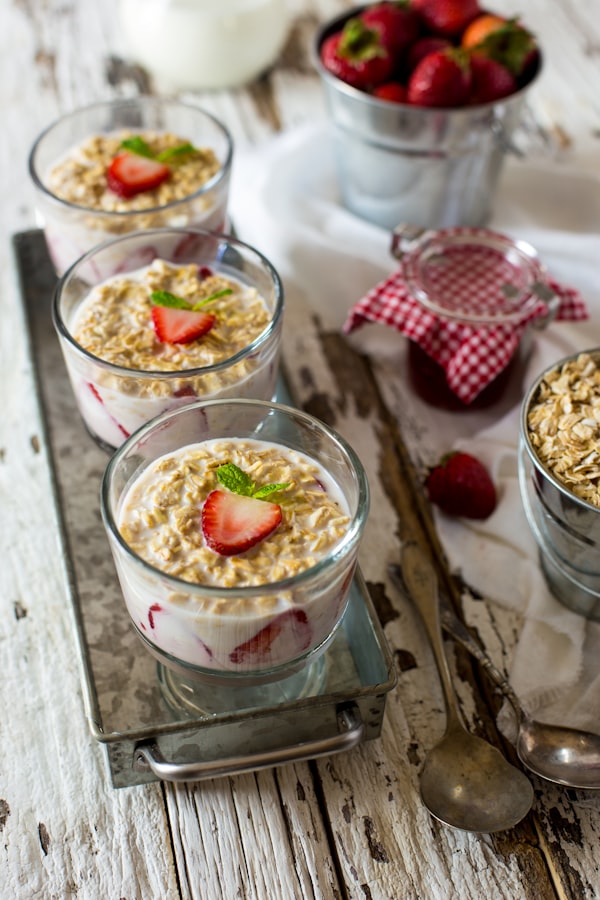
Protein at breakfast also stabilizes blood sugar and increases satiety. A 2013 Obesity study in adolescents found a 35g protein breakfast reduced evening cravings and overall calorie intake by ~400 kcal/day. Good options: 3 eggs + Greek yogurt, cottage cheese with berries, or a whey shake (25-30g). See daily protein targets.
This is especially critical for women in perimenopause and anyone over 60 — a 2020 Nutrients review showed older adults need ~1.2-1.6 g/kg/day to counter sarcopenia, with morning dose emphasis.
Zone 2 Cardio and VO2 Max — The Strongest Longevity Predictors
VO2 max — your body's peak oxygen utilization — may be the most powerful longevity marker. A 2018 JAMA Network Open study of 122,007 adults found that compared to the lowest fitness quintile, elite VO2 max was associated with 80% lower all-cause mortality — a bigger effect than quitting smoking or treating coronary disease in that cohort.
Peter Attia's 'Zone 2' protocol (training at ~60-70% max heart rate — the top of fat-burning intensity) builds mitochondrial density, the cellular engines behind VO2 max. A 2017 Cell Metabolism study in sedentary adults showed 12 weeks of zone 2 + high-intensity intervals restored mitochondrial function by up to 49%. Target: 150-300 min zone 2/week, plus 1-2 VO2-max intervals (e.g., 4×4 minutes at 90% max).
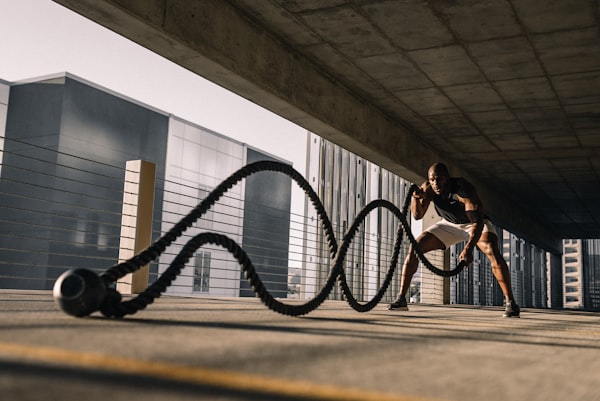
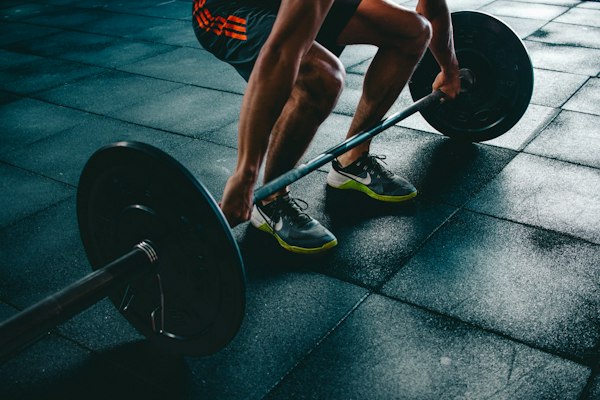
Resistance training complements this: a 2022 British Journal of Sports Medicine meta-analysis found 30-60 min/week of strength work lowered all-cause mortality by 10-20%. Use the morning if it fits your circadian preference; consistency matters more than timing.
Cold Exposure, Supplements, and What's Marketing vs Science
Cold exposure is trendy but evidence is mixed. A 2022 European Journal of Applied Physiology review found cold-water immersion acutely raises norepinephrine ~2.5x and may improve recovery and mood, but long-term health benefits aren't clearly established. A 2023 randomized trial in PLOS ONE showed 11 minutes/week of cold plunges improved subjective wellbeing but no change in inflammation or metabolic markers. Safe to do, probably not transformational.
Supplements with real evidence: creatine (3-5 g/day — cognition and muscle), omega-3s, vitamin D if deficient, and magnesium. NMN, rapamycin, and metformin for longevity remain experimental — the TAME trial (metformin) is still running.
What's overstated: massive supplement stacks, red light masks as primary interventions, elaborate fasting protocols without metabolic indication, and expensive biohacker devices. The three things with the biggest effect sizes across 50 years of longevity literature remain: don't smoke, maintain high VO2 max and muscle mass, and sleep well. Also see lowering inflammation and resting heart rate.