What Creatine Actually Does Inside Your Cells
Creatine is naturally synthesized in the liver, kidneys, and pancreas from three amino acids — glycine, arginine, and methionine. About 95% is stored in skeletal muscle as phosphocreatine, where it acts as a rapid energy buffer. When ATP is depleted during high-intensity effort, phosphocreatine donates a phosphate to regenerate ATP within milliseconds.
Supplementation increases muscle creatine stores by 20 to 40%, allowing for more reps, faster recovery between sets, and greater training volume. Over time, this added work capacity translates into measurable strength and hypertrophy gains.
A 2017 ISSN position stand summarizing decades of research concluded that creatine produces a 5 to 15% increase in maximal strength and a 5 to 15% increase in single-effort sprint performance, particularly during repeated bouts.
Beyond Muscle — Brain, Bone, and Healthy Aging
The brain is creatine-hungry, using about 20% of the body's creatine stores. A 2018 Experimental Gerontology meta-analysis of 6 trials found creatine supplementation improved short-term memory and intelligence/reasoning scores in healthy adults — with the largest effects in vegetarians and sleep-deprived individuals.
A 2022 randomized trial in Scientific Reports showed that 5 g/day of creatine for 7 days reduced cognitive decline from 21 hours of sleep deprivation by approximately 30%. Other emerging research suggests benefits for depression, with a 2012 AJP trial finding creatine accelerated SSRI response in women.
For older adults, a 2014 meta-analysis in Medicine & Science in Sports & Exercise showed creatine combined with resistance training improved lean mass gains by 1.37 kg more than training alone. It also reduces markers of muscle damage and may modestly improve bone mineral density.
Women, Vegetarians, and Non-Athletes Benefit Too
Women have 70 to 80% lower baseline creatine stores than men, making them potentially better responders. A 2021 Nutrients review specifically on women found creatine improves strength, lean mass, and exercise performance across the menstrual cycle, pregnancy (with caution), postpartum, and menopause.
Vegetarians and vegans average 50% lower muscle creatine than omnivores because dietary creatine comes mainly from red meat and fish. A 2003 British Journal of Nutrition trial showed vegetarians experienced larger gains in muscle creatine and lean mass from supplementation than meat-eaters.
Even sedentary adults benefit. A 2023 Frontiers in Nutrition review highlighted creatine's role in glucose regulation, with one trial showing improved glycemic control in adults with type 2 diabetes when combined with exercise — see our type 2 diabetes guide.
How to Take It — And the Kidney Myth Debunked
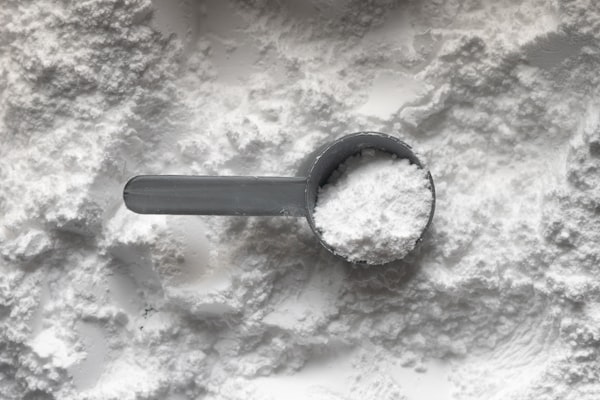
3 to 5 grams per day of creatine monohydrate is the evidence-based dose. Skip the loading phase if you don't mind waiting — daily 3 g saturates muscles in about 28 days. Loading (20 g/day for 5 to 7 days) saturates faster but offers no long-term advantage.
Stick with creatine monohydrate. Dozens of fancier forms (HCl, ethyl ester, buffered) have been marketed but none outperform monohydrate in head-to-head trials, and most are far more expensive. Look for Creapure-certified products for purity.
The kidney damage concern is a myth. A 2018 Journal of the ISSN review of 21 trials concluded creatine has no adverse effects on kidney function in healthy adults at doses up to 30 g/day for over 5 years. Creatinine levels may rise slightly — a marker of muscle creatine, not kidney damage. People with pre-existing kidney disease should consult a physician.