Sleep Quantity vs. Sleep Quality — Why 8 Hours Isn't Enough
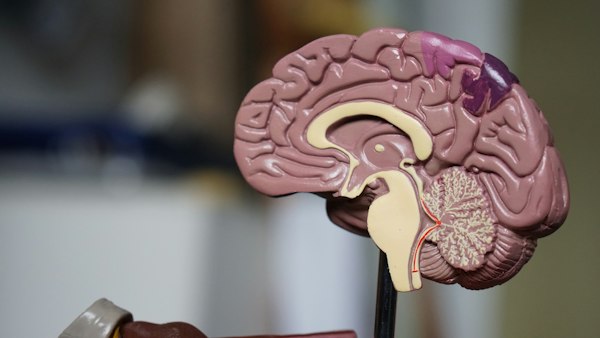
Healthy sleep cycles through four stages roughly every 90 minutes: N1 (light), N2, N3 (deep/slow-wave), and REM. A 2020 Nature Reviews Neuroscience paper explained that deep sleep drives physical recovery and the glymphatic brain cleaning, while REM consolidates memory and emotional regulation. If either is disrupted, 8 hours 'in bed' can feel like 4.
Common disruptors include alcohol (suppresses REM), late caffeine, inconsistent bedtimes, blue light, bedroom temperatures above 68°F, and — critically — breathing disturbances. Even 5 microarousals per hour can shred restorative sleep without you ever fully waking up, per a 2019 American Journal of Respiratory and Critical Care Medicine study.
Before chasing supplements, audit sleep hygiene: see our sleep hygiene guide and how to fall asleep faster.
The Top 9 Medical Causes Doctors Check First
1) Obstructive sleep apnea (OSA) — affects up to 1 billion globally; causes morning headaches, snoring, unrefreshing sleep, and AM blood pressure spikes. Learn more: what is sleep apnea. 2) Iron deficiency / low ferritin — even without anemia, ferritin below 50 ng/mL causes profound fatigue (BMJ, 2021). 3) Thyroid dysfunction — see signs of thyroid problems.
4) Vitamin D deficiency — affects roughly 1 billion people (NIH), and a 2023 Nutrients meta-analysis linked deficiency to 2.5x higher odds of chronic fatigue. 5) Vitamin B12 / folate deficiency — especially in vegetarians and older adults. 6) Depression and anxiety — sleep feels non-restorative even when duration is normal. 7) Chronic stress and HPA dysregulation.
8) Poorly controlled blood sugar — reactive hypoglycemia and insulin resistance disrupt deep sleep. 9) ME/CFS (chronic fatigue syndrome) — affects 1.3% of U.S. adults per CDC (2023), diagnosed by persistent unrefreshing sleep plus post-exertional malaise for 6+ months.
Labs to Ask For — And When to Request a Sleep Study
Before accepting 'your labs look fine,' ask for: CBC, ferritin (not just iron), TSH with free T4 and free T3, vitamin D (25-OH), vitamin B12 with MMA if borderline, HbA1c, fasting insulin, and basic metabolic panel. A 2022 JAMA Internal Medicine editorial argued that 'normal range' is often too wide — ferritin of 20 is technically normal but symptomatic for many.
If your partner reports snoring, gasping, or pauses in breathing — or if you wake unrefreshed despite 7-9 hours, have high blood pressure, or have a collar size >17 inches (men) or >16 inches (women) — request a sleep study. Home sleep tests (WatchPAT, ApneaLink) are widely available.
The STOP-BANG questionnaire is a validated 8-item screen. A score of 3 or more has 93% sensitivity for moderate-to-severe OSA per a 2013 Anesthesiology study.
Evidence-Based Fixes — Ranked by Research Strength
Tier 1 (strongest evidence): treat any diagnosed condition (CPAP for OSA reduces fatigue ~40% within 3 months per a 2016 NEJM trial); correct ferritin to >50 ng/mL; restore vitamin D to 40-60 ng/mL; treat hypothyroidism. Tier 2: fix sleep hygiene, get 10-30 minutes of morning sunlight (huge circadian effect per a 2022 Nature Neuroscience paper), keep bedroom at 65-68°F, stop caffeine by 2 PM.
Tier 3: exercise — a 2023 JAMA Network Open RCT showed 12 weeks of moderate aerobic activity reduced fatigue scores by 30-40%. Prioritize protein (see daily protein targets) and stable blood sugar. Supplements with the best fatigue evidence: magnesium, B-complex, and ashwagandha.
Red flags that need urgent evaluation: fatigue with unintended weight loss, night sweats, new exertional shortness of breath, or fatigue paired with blood sugar swings.