LDL Cholesterol — The Number That Matters Most
LDL (low-density lipoprotein) carries cholesterol from the liver to the body. When there is too much, it deposits cholesterol into artery walls, forming plaques that narrow vessels and can rupture to cause heart attacks and strokes. According to the American College of Cardiology, optimal LDL is below 100 mg/dL. For people with existing heart disease or diabetes, the target drops below 70 mg/dL — and European guidelines now argue for below 55 mg/dL in very high-risk patients.
Not all LDL particles are the same. A study in JAMA Cardiology found that small dense LDL particles are up to 3 times more atherogenic than large particles because they penetrate artery walls more easily and are more susceptible to oxidation. Two patients with identical LDL numbers can have dramatically different cardiovascular risk depending on their particle size distribution. Advanced lipid testing (NMR LipoProfile or ion mobility) can measure LDL particle number and size, though it is not yet part of standard screening.
The strongest evidence for LDL reduction comes from statin trials. The Cholesterol Treatment Trialists' meta-analysis of over 170,000 participants found that every 39 mg/dL reduction in LDL reduced major cardiovascular events by 22 percent, coronary death by 20 percent, and stroke by 17 percent — consistent regardless of starting LDL level.
HDL Cholesterol — Not as Simple as 'Good'
HDL (high-density lipoprotein) performs reverse cholesterol transport — picking up excess cholesterol from artery walls and returning it to the liver. The American Heart Association considers HDL above 60 mg/dL protective and below 40 mg/dL (men) or 50 mg/dL (women) a risk factor.
However, trials that artificially raised HDL with drugs failed to reduce cardiovascular events — and some increased harm. A study in the New England Journal of Medicine found that simply having higher HDL numbers does not guarantee protection. What matters is HDL function — how efficiently particles perform reverse cholesterol transport. The practical takeaway: do not obsess over raising HDL with supplements or drugs. The lifestyle factors that naturally optimize HDL — regular exercise (raising HDL by 3 to 6 mg/dL per meta-analysis in the Archives of Internal Medicine), omega-3 fatty acids, and not smoking — also improve overall metabolic health. If your HDL is low, focus on the underlying metabolic pattern rather than chasing the number.
Triglycerides — The Overlooked Number That Reveals Metabolic Health
Triglycerides come primarily from dietary carbohydrates, alcohol, and excess calories. Normal is below 150 mg/dL; above 500 increases pancreatitis risk. A meta-analysis in Circulation found that each 88 mg/dL increase was associated with a 22 percent increase in cardiovascular risk in men and 37 percent in women. High triglycerides are one of the most sensitive markers of insulin resistance — often appearing years before type 2 diabetes is diagnosed.
The triglyceride-to-HDL ratio is arguably the most useful number from a standard lipid panel. Divide triglycerides by HDL. A ratio below 2 indicates good insulin sensitivity and larger LDL particles. A ratio above 3.5 suggests insulin resistance and dangerous small dense LDL — even if total cholesterol appears normal. A study in Circulation found this ratio was a stronger heart attack predictor than LDL cholesterol alone. If your triglycerides are 180 and your HDL is 40, your ratio is 4.5 — a significant red flag regardless of what your LDL says.
What to Do With Your Numbers — Action Steps That Actually Work
Know your real risk. Your doctor should calculate your 10-year ASCVD risk score, incorporating age, sex, blood pressure, cholesterol, diabetes, and smoking. Someone with LDL of 130 and no other risk factors has a very different outlook than someone with the same LDL plus diabetes and hypertension. Treatment thresholds depend on the full picture.
Lifestyle interventions work. For high LDL: reduce saturated fat below 7 percent of calories and increase soluble fiber to 10 to 25 grams daily (shown to reduce LDL by 5 to 15 percent). For high triglycerides: cut refined carbohydrates and alcohol — triglycerides often drop dramatically within weeks. A healthy gut and 150 minutes of weekly exercise lower triglycerides by 20 to 30 percent per the AHA.
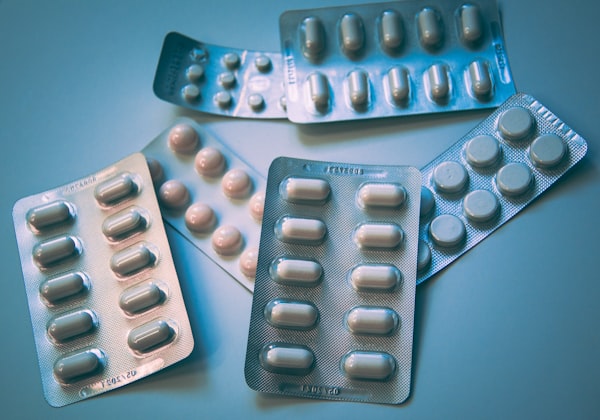
Medications when needed: Statins remain the first-line treatment for high LDL, with strong evidence for reducing heart attacks, strokes, and death. Side effects (primarily muscle aches) occur in 5 to 10 percent of patients. For patients who cannot tolerate statins, ezetimibe and PCSK9 inhibitors are alternatives. For triglycerides above 500, prescription omega-3 (icosapent ethyl) reduced cardiovascular events by 25 percent in the REDUCE-IT trial published in the New England Journal of Medicine.