1. Eat 30 Different Plants Per Week
This single habit may be the most powerful gut health intervention available. The American Gut Project, the largest microbiome study ever conducted, found that people who ate 30 or more different plant types per week had significantly more diverse gut bacteria than those eating fewer than 10 — regardless of whether they were vegetarian, vegan, or omnivore.
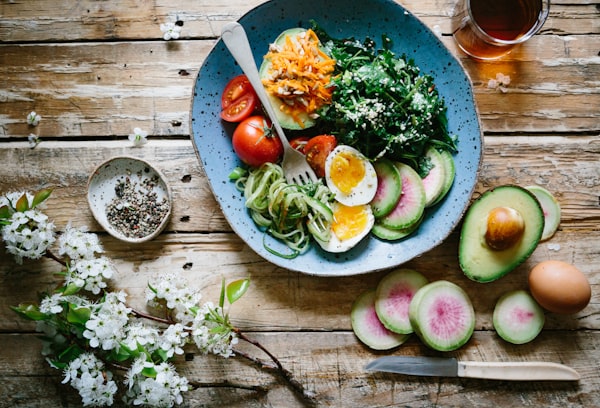
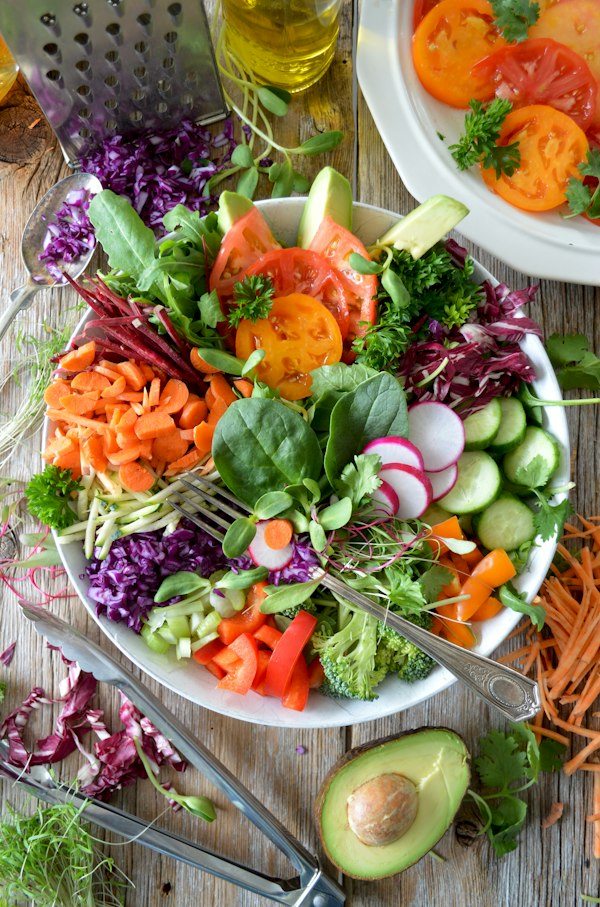
Plants include fruits, vegetables, whole grains, legumes, nuts, seeds, herbs, and spices — each one counts. You are not aiming for 30 servings. You are aiming for 30 different types. A salad with spinach, tomato, cucumber, bell pepper, chickpeas, and sunflower seeds already contributes 6 toward your weekly target. Add different herbs and spices to meals. Rotate your vegetable choices weekly. Try one new plant food each grocery trip.
2. Prioritize Fiber — The Fuel Your Bacteria Need
Your gut bacteria ferment dietary fiber to produce short-chain fatty acids (SCFAs) — butyrate, propionate, and acetate. These molecules are not just bacterial waste. They are signaling molecules that strengthen the gut barrier, reduce inflammation, regulate blood pressure, improve insulin sensitivity, and even influence brain function through the gut-brain axis.
Most Americans consume only 15 grams of fiber daily — roughly half the recommended 25 to 35 grams. A study in Cell Host and Microbe found that low-fiber diets caused the microbiome to start consuming the protective mucus lining of the intestine for fuel, weakening the gut barrier. Top fiber sources: legumes (lentils, chickpeas, black beans — 15g per cup), artichokes (10g each), raspberries (8g per cup), oats (4g per half cup), and chia seeds (10g per ounce).
3. Eat Fermented Foods Daily
A landmark Stanford study published in Cell found that a diet high in fermented foods increased microbiome diversity and reduced inflammatory markers more effectively than a high-fiber diet alone over 10 weeks. The fermented food group showed reduced levels of 19 inflammatory proteins including IL-6.
Fermented foods contain live beneficial bacteria that temporarily colonize the gut and interact with resident bacteria. The most evidence-backed options: yogurt with live active cultures, kefir, sauerkraut (raw, refrigerated — not shelf-stable), kimchi, kombucha, miso, and tempeh. Aim for 2 to 3 servings daily. Start gradually to minimize bloating — your gut needs time to adjust.
4. Limit Ultra-Processed Foods
Ultra-processed foods — products with ingredients you would not find in a home kitchen (emulsifiers, artificial sweeteners, preservatives, flavor enhancers) — directly harm the gut microbiome. A study in Cell Metabolism found that emulsifiers commonly used in processed foods (carboxymethylcellulose, polysorbate-80) thinned the protective mucus layer and promoted inflammatory bacteria in animal models.
Artificial sweeteners are particularly damaging. A study in Nature found that saccharin, sucralose, and aspartame altered the gut microbiome in ways that worsened glucose tolerance — the very problem they are used to prevent. A practical rule: if the ingredient list contains more than 5 items or includes words you cannot pronounce, the product is likely ultra-processed.
5. Exercise Regularly
Exercise independently improves microbiome diversity — separate from dietary effects. A study in Medicine and Science in Sports and Exercise found that 6 weeks of moderate exercise (30 minutes, 3 times per week) increased butyrate-producing bacteria in previously sedentary adults. When they stopped exercising, the changes reversed within 6 weeks, demonstrating that consistency matters.
The mechanism involves improved gut motility, increased blood flow to the intestinal lining, and direct effects on immune cells in the gut. Even walking counts — the benefits are not limited to intense exercise.
6. Manage Stress
The gut-brain axis is bidirectional — stress alters the microbiome, and the microbiome influences the stress response. A study in Psychoneuroendocrinology found that chronic stress reduced Lactobacillus and Bifidobacterium populations while increasing pro-inflammatory bacteria. Cortisol directly increases intestinal permeability (leaky gut), allowing bacterial products to enter the bloodstream and trigger systemic inflammation.
Meditation, deep breathing, adequate sleep, social connection, and regular exercise all reduce the stress-microbiome disruption. A study in Brain, Behavior, and Immunity found that an 8-week mindfulness program increased Lactobacillus abundance and reduced inflammatory markers.
7. Use Antibiotics Only When Necessary
A single course of broad-spectrum antibiotics can reduce microbiome diversity by 30 percent according to a study in the journal mBio, and some species may take months to years to recover — while others may never return. The CDC estimates that at least 30 percent of outpatient antibiotic prescriptions are unnecessary.
When antibiotics are medically necessary, take them as prescribed. After completing the course, prioritize fermented foods and dietary diversity to rebuild. Probiotic supplementation during and after antibiotic courses may help — a Cochrane review found that probiotics reduced antibiotic-associated diarrhea by 42 percent.
8. Sleep 7 to 9 Hours
Your gut microbiome follows a circadian rhythm — different bacteria are active at different times of day. Sleep deprivation disrupts this rhythm. A study in Molecular Metabolism found that just 2 nights of partial sleep deprivation altered the microbiome composition in ways that increased insulin resistance and promoted inflammation.
Prioritize consistent sleep hygiene — same wake time daily, adequate duration, dark and cool environment. Your gut bacteria are on a schedule. When you disrupt yours, you disrupt theirs.