The Gut-Building Foods — What to Eat More Of
Fermented foods (the most impactful single change): A landmark Stanford study in Cell found that a fermented-food-rich diet increased microbiome diversity and reduced 19 inflammatory proteins more effectively than a high-fiber diet alone over 10 weeks. Top choices: yogurt with live active cultures, kefir, sauerkraut (raw, refrigerated — not shelf-stable pasteurized versions), kimchi, kombucha, miso, and tempeh. Aim for 2-3 servings daily. Start gradually — your gut needs time to adjust to the increased bacterial input.
High-fiber foods (fuel for your bacteria): Your gut bacteria ferment dietary fiber into short-chain fatty acids (SCFAs) — butyrate, propionate, and acetate. These molecules strengthen the gut barrier, reduce inflammation, improve insulin sensitivity, and even influence brain function through the gut-brain axis. Most Americans eat only 15g of fiber daily — aim for 30-35g. Top sources: lentils (15g/cup), artichokes (10g each), raspberries (8g/cup), oats (4g/half cup), chia seeds (10g/ounce), black beans (15g/cup).
Prebiotic foods (targeted fuel for beneficial species): Specific fibers that preferentially feed Bifidobacterium and Lactobacillus — the bacteria most consistently associated with health. Garlic, onions, leeks, asparagus, bananas (slightly green), chicory root, dandelion greens, and Jerusalem artichokes. A study in the British Journal of Nutrition found that prebiotic supplementation increased Bifidobacterium counts 10-fold within 2 weeks.
Polyphenol-rich foods: Berries, dark chocolate (70%+ cocoa), green tea, extra virgin olive oil, and red wine (in moderation). Polyphenols are poorly absorbed in the small intestine and reach the colon where bacteria metabolize them into anti-inflammatory compounds. A study in Nutrients confirmed that polyphenols act as prebiotics.
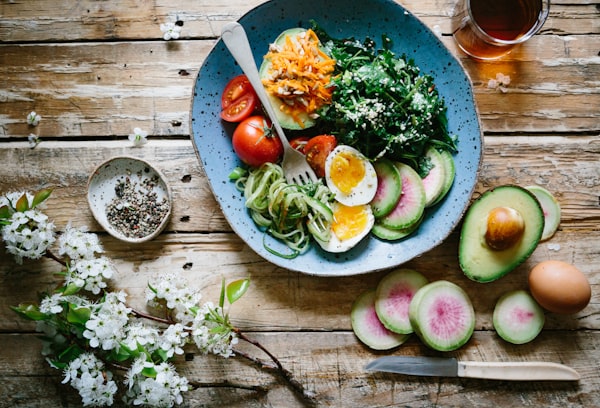
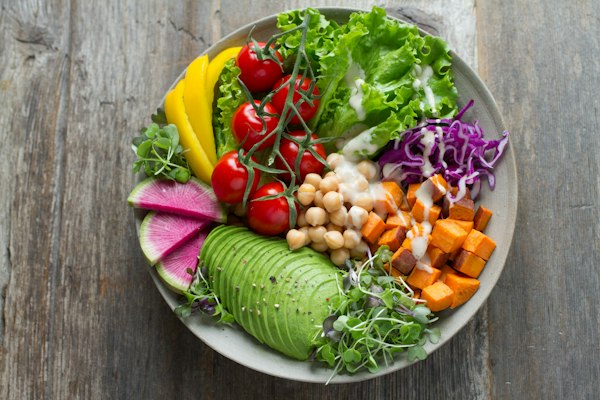
Diversity is the master key: The American Gut Project — the largest microbiome study ever conducted — found that people eating 30+ different plant types per week had significantly more diverse microbiomes than those eating fewer than 10, regardless of whether they were vegan, vegetarian, or omnivore. Plants include fruits, vegetables, whole grains, legumes, nuts, seeds, herbs, and spices — each one counts toward your weekly 30.
The Gut-Damaging Foods — What to Reduce
Ultra-processed foods: Emulsifiers commonly used in processed foods (carboxymethylcellulose, polysorbate-80) thin the protective mucus layer and promote inflammatory bacteria according to a study in Cell Metabolism. Artificial sweeteners: A study in Nature found that saccharin, sucralose, and aspartame altered the gut microbiome in ways that worsened glucose tolerance — the exact problem they are marketed to prevent.
Excess sugar: Feeds pathogenic bacteria and yeasts while reducing beneficial species. Excessive alcohol: Damages the intestinal lining and reduces microbial diversity. Unnecessary antibiotics: A single course reduces diversity by 30 percent according to a study in mBio — some species may take months to years to recover, and others may never return. The CDC estimates 30 percent of outpatient antibiotic prescriptions are unnecessary.
A practical rule: if the ingredient list has more than 5 items or includes words you would not find in a home kitchen, the product is likely ultra-processed and potentially harmful to your microbiome.
Your Gut Health Action Plan
Week 1: Add 1 serving of fermented food daily (yogurt at breakfast or sauerkraut at dinner). Week 2: Add 1 new plant food per grocery trip toward the 30/week goal. Week 3: Increase fiber gradually — add 5g per week until reaching 30g. Week 4: Reduce 1 ultra-processed food and replace with a whole-food alternative. Continue building from there.
Changes are measurable within 2-4 weeks. Full microbiome remodeling takes 3-6 months of consistency. Exercise regularly (independently improves diversity). Sleep 7-9 hours (your bacteria follow a circadian rhythm). Manage stress (cortisol directly disrupts the microbiome). Your gut bacteria are the most responsive ecosystem in your body — feed them well and they reward you with better digestion, stronger immunity, improved mood, and reduced disease risk.