A TED-Ed animated explainer that tackles one of medicine's biggest questions: why, after billions of dollars in research, haven't we cured cancer? The answer lies in cancer's staggering complexity.
Symptom-based health content is educational only and should not replace medical evaluation when symptoms are persistent, severe, or concerning.
Overview
A TED-Ed animated explainer that tackles one of medicine's biggest questions: why, after billions of dollars in research, haven't we cured cancer? The answer lies in cancer's staggering complexity.
Important Details
Cancer isn't one disease — it's over 100 different types. It arises when normal cells accumulate mutations that slip past the body's repair mechanisms, allowing unchecked growth, tissue invasion, and metastasis to distant organs. Once cancer metastasizes, it becomes almost incurable. The video explains several key scientific challenges. First, lab-grown cancer cell lines lack the complexity of real tumors in living organisms — drugs that work in the lab frequently fail in clinical trials. Second, aggressive tumors exhibit clonal heterogeneity: a single glioblastoma can contain six different subclones with unique genetic mutations, meaning a drug effective against one subclone may do nothing to another.
When It Matters
Tumors are also dynamic ecosystems. Cancer cells communicate with healthy cells, inducing blood vessel formation to feed the tumor and suppressing the immune system to avoid detection. Cancer stem cells — rare cells resistant to chemotherapy and radiation — may be able to regrow an entire tumor from a single surviving cell. And cancer cells are masters of adaptation, switching on protective shields by changing gene expression when attacked. Despite these challenges, the average mortality rate for most cancers has dropped significantly since the 1970s and continues to fall. Each new discovery adds another tool to the arsenal.
Key Takeaways
- Cancer isn't one disease — there are over 100 types, each requiring different treatment approaches
- Aggressive tumors have clonal heterogeneity — multiple subclones with unique mutations in a single tumor
- Cancer cells suppress the immune system and recruit healthy cells to feed the tumor with blood vessels
- Cancer stem cells can resist chemo and radiation, potentially regrowing an entire tumor from one cell
- Despite the complexity, cancer mortality rates have dropped significantly since the 1970s
FAQ
What does this page explain?
It explains why is it so difficult to cure cancer? and why the topic matters for symptom awareness or screening.
Should symptoms be self-diagnosed from a page like this?
No. Symptom-based education can help, but concerning symptoms still need medical evaluation.
What is the main takeaway?
The main takeaway is to recognize important warning signs and understand when further testing or medical care may be needed.
Related Topics on Health 656
Related Videos

Colonoscopy Explained — What Happens During the Procedure
This animated medical explainer walks through the entire colonoscopy procedure step by step — from insertion to polyp removal to recovery. A colonosc
Colon Cancer in Young People — Why It's Rising and How to Protect Yourself
Dr. Peter Lin breaks down colon cancer in plain language — what it is, how it's detected, why it's increasingly appearing in younger people, and what
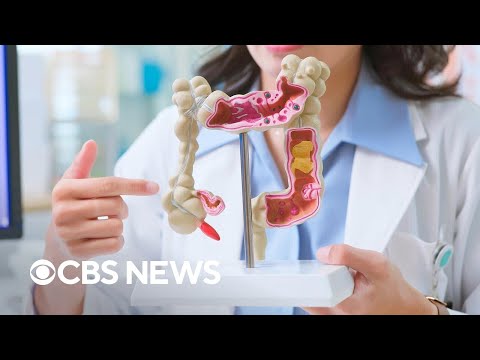
Colon Cancer Rates Nearly Double in Young Adults — Why Screening Age Was Lowered to 45
CBS News medical contributor Dr. Celine Gounder breaks down a JAMA study showing a sharp increase in colorectal cancer diagnoses among US adults under

We Can Start Winning the War Against Cancer
Stanford researcher Adam de la Zerda shares a deeply personal and scientifically fascinating TED talk about why we're losing the war on cancer — and h