Stanford researcher Adam de la Zerda shares a deeply personal and scientifically fascinating TED talk about why we're losing the war on cancer — and how better imaging technology could turn the tide. Inspired by his friend Ehud's battle with brain cancer, where doctors had to wait three months just to know if a treatment was working, de la Zerda explains the fundamental problem: we're fighting blindly.
Symptom-based health content is educational only and should not replace medical evaluation when symptoms are persistent, severe, or concerning.
Overview
Stanford researcher Adam de la Zerda shares a deeply personal and scientifically fascinating TED talk about why we're losing the war on cancer — and how better imaging technology could turn the tide. Inspired by his friend Ehud's battle with brain cancer, where doctors had to wait three months just to know if a treatment was working, de la Zerda explains the fundamental problem: we're fighting blindly.
Important Details
Current PET scans can only detect tumors once they contain at least 100 million cancer cells. To catch cancer early enough to do something meaningful, we need to detect tumors at just a thousand cells — or even a handful. Brain surgeons face an impossible choice: stop cutting and risk leaving cancer cells behind, or remove extra healthy brain tissue just to be safe. 80-90% of brain cancer surgeries fail because of tiny leftover tumors that regrow. De la Zerda's solution: tiny gold nanoparticles programmed to seek out and stick to cancer cells, then shine under special cameras. In mouse experiments, these particles guided surgeons to remove only the tumor — no guesswork, no unnecessary brain damage. The vision is medical imaging that can see individual cells, detect cancer far earlier, and tell doctors in days (not months) whether a treatment is working.
When It Matters
The talk is a powerful reminder that the biggest breakthroughs in cancer may not come from new drugs, but from simply being able to see what we're fighting.
Key Takeaways
- Current PET scans need 100 million cancer cells to detect a tumor — we need to detect just thousands
- 80-90% of brain cancer surgeries fail because tiny leftover tumors regrow
- Gold nanoparticles can find and illuminate cancer cells, guiding surgeons to remove only the tumor
- The biggest cancer breakthroughs may come from better imaging, not new drugs
- Future imaging could tell doctors within days if a treatment is working — not three months
FAQ
What does this page explain?
It explains we can start winning the war against cancer and why the topic matters for symptom awareness or screening.
Should symptoms be self-diagnosed from a page like this?
No. Symptom-based education can help, but concerning symptoms still need medical evaluation.
What is the main takeaway?
The main takeaway is to recognize important warning signs and understand when further testing or medical care may be needed.
Related Topics on Health 656
Related Videos
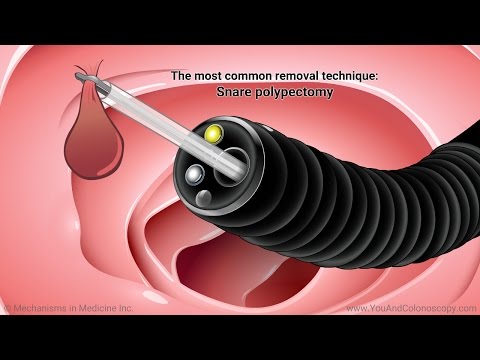
Colonoscopy Explained — What Happens During the Procedure
This animated medical explainer walks through the entire colonoscopy procedure step by step — from insertion to polyp removal to recovery. A colonosc

Colon Cancer in Young People — Why It's Rising and How to Protect Yourself
Dr. Peter Lin breaks down colon cancer in plain language — what it is, how it's detected, why it's increasingly appearing in younger people, and what
Colon Cancer Rates Nearly Double in Young Adults — Why Screening Age Was Lowered to 45
CBS News medical contributor Dr. Celine Gounder breaks down a JAMA study showing a sharp increase in colorectal cancer diagnoses among US adults under
Why Is It So Difficult to Cure Cancer?
A TED-Ed animated explainer that tackles one of medicine's biggest questions: why, after billions of dollars in research, haven't we cured cancer? The