What Protein Actually Does in Your Body — It Is Not Just About Muscles
When people think of protein, they think of bodybuilders and gym supplements. This dramatically underestimates what protein does. Every cell in your body is built from and maintained by protein. Your muscles, yes — but also your bones, skin, hair, nails, organs, blood cells, enzymes, hormones, antibodies, and neurotransmitters.
Enzymes — the molecules that catalyze virtually every chemical reaction in your body — are proteins. Hemoglobin, which carries oxygen in your blood, is a protein. Insulin, which regulates blood sugar, is a protein. Antibodies that fight infections are proteins. Collagen, which provides structure to your skin, joints, and blood vessels, is a protein. Without adequate protein, none of these systems function optimally.
Your body is in a constant state of protein turnover — breaking down old proteins and building new ones. Each day, roughly 250 to 300 grams of body protein are recycled. Most amino acids are reused, but a portion is lost through urine, skin shedding, and metabolic processes. This daily loss must be replaced through dietary protein. Fail to replace it, and your body starts breaking down muscle to scavenge the amino acids it needs for more critical functions. This is why inadequate protein intake leads to muscle loss even in people who are not exercising.
Protein also has unique properties for weight management. Of the three macronutrients, protein has the highest thermic effect — your body burns 20 to 30 percent of protein calories just digesting and processing it, compared to 5 to 10 percent for carbohydrates and 0 to 3 percent for fat. A meta-analysis in the American Journal of Clinical Nutrition found that higher protein diets increased satiety by 25 percent and reduced spontaneous caloric intake by roughly 441 calories per day. This means eating more protein naturally makes you eat less of everything else.
How Much You Actually Need — The RDA Is a Minimum, Not a Goal
The recommended dietary allowance (RDA) for protein is 0.8 grams per kilogram of body weight per day — about 56 grams for a 70kg (154-pound) person. This number was established as the minimum to prevent deficiency in sedentary adults. It was never intended to represent optimal intake for health, muscle maintenance, or body composition.
A growing consensus among protein researchers suggests significantly higher intakes are beneficial. A landmark review in the British Journal of Sports Medicine analyzing 49 studies concluded that 1.6 grams per kilogram per day maximized muscle gain in people doing resistance training. For a 70kg person, that is 112 grams — double the RDA.
By situation: General healthy adults: 1.2 to 1.6 g/kg/day (84 to 112g for a 70kg person). Active individuals and resistance trainers: 1.6 to 2.2 g/kg/day. Adults over 65: 1.2 to 1.5 g/kg/day — older adults need more because of anabolic resistance, a phenomenon where aging muscles require a stronger protein signal to maintain tissue. During weight loss: 1.6 to 2.4 g/kg/day — a study in the American Journal of Clinical Nutrition found that high-protein diets during caloric restriction preserved 18 percent more lean mass than normal-protein diets.
Distribution matters: A study in the Journal of Nutrition found that distributing protein evenly across meals (25 to 40 grams per meal) stimulated muscle protein synthesis 25 percent more effectively than consuming the same total protein concentrated at dinner. The typical Western pattern — 10 grams at breakfast, 15 at lunch, 65 at dinner — is the least effective distribution.
A 68-year-old retired nurse was losing muscle mass and strength despite walking daily. Her diet analysis revealed she was eating only 45 grams of protein per day — below even the RDA. After increasing to 90 grams daily with protein at every meal and starting resistance training, she regained measurable muscle mass and strength within 4 months. "Nobody told me I needed more protein as I got older," she said. "I thought eating less was healthier."
Best Sources — Animal, Plant, and What the Science Says About Each
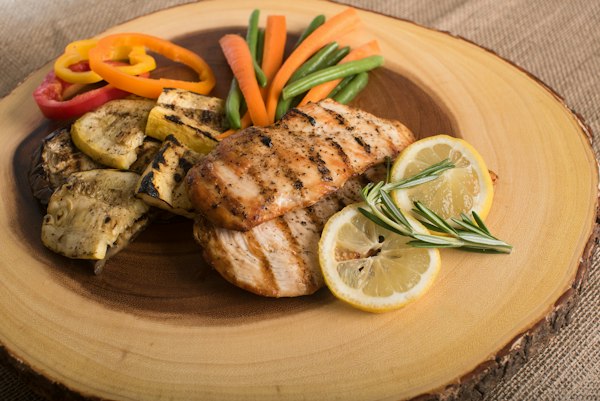
Animal proteins are complete — they contain all 9 essential amino acids in adequate proportions. Top sources: eggs (6g each — considered the gold standard for protein quality by the WHO), chicken breast (31g per 100g cooked), fish and seafood (20 to 25g per 100g — salmon and sardines add omega-3 fatty acids), Greek yogurt (10g per 100g — plus probiotics for gut health), lean beef (26g per 100g), and cottage cheese (11g per 100g).
Plant proteins can absolutely meet your needs, but require more planning. Most plant sources are incomplete — low in one or more essential amino acids. Lysine is the most commonly limiting amino acid. However, eating a variety of plant proteins throughout the day provides all essential amino acids without needing to combine at every meal. Top sources: lentils (9g per half cup cooked), chickpeas (7g per half cup), black beans (8g per half cup), tofu and tempeh (10 to 20g per 100g), edamame (9g per half cup), quinoa (8g per cup — one of few complete plant proteins), hemp seeds (10g per 3 tablespoons), and peanut butter (7g per 2 tablespoons).
A practical consideration: plant proteins have lower digestibility (roughly 50 to 80 percent) compared to animal proteins (roughly 90 to 99 percent) due to fiber and antinutrients. A study in the Journal of Nutrition found that vegans need approximately 10 to 20 percent more total protein to achieve the same anabolic effect as omnivores. This is easily achievable with planning.
Protein supplements: Convenient but not necessary if whole food intake is adequate. Whey protein is rapidly absorbed and rich in leucine (the amino acid most important for triggering muscle protein synthesis). Plant-based protein powders (pea, rice, soy) are effective alternatives. A study in the Journal of the International Society of Sports Nutrition found no significant difference in muscle gains between whey and pea protein when total protein and training were matched. Avoid products with excessive added sugar or artificial ingredients.
The Myths That Will Not Die — What Science Actually Shows
"High protein damages kidneys": This is the most persistent myth and the most thoroughly debunked. A meta-analysis in the Journal of Nutrition analyzed 28 studies and concluded that protein intakes up to 2.2 grams per kilogram had no adverse effect on kidney function in healthy individuals. A 2-year study following athletes consuming over 3 grams per kilogram found no kidney damage. The confusion comes from the fact that people with existing kidney disease do need to limit protein — but this is managing an existing condition, not evidence that protein causes kidney disease.
"Your body can only use 30 grams per meal": This is a misunderstanding of the research. Studies show that muscle protein synthesis is maximally stimulated at roughly 25 to 40 grams per meal. But protein not used for muscle building is still absorbed and used for all of protein's other functions — enzyme production, immune function, hormone synthesis, energy. Nothing is wasted. A study in the American Journal of Clinical Nutrition using isotope tracers showed that 70 grams of protein in a single meal was fully digested and utilized — it just took longer.
"Older adults need less protein": The opposite is true, and this myth is particularly harmful. Aging muscles develop anabolic resistance — they require a stronger stimulus (both exercise and dietary protein) to maintain and repair tissue. A position paper by the European Society for Clinical Nutrition recommended 1.2 to 1.5 grams per kilogram for healthy older adults and 1.5 to 2.0 for those with acute or chronic illness. Sarcopenia — age-related muscle loss — is a major driver of falls, fractures, loss of independence, and mortality. Adequate protein is one of the most powerful tools to combat it.
Your Practical Protein Plan — Starting Today
Step 1: Fix breakfast. This is where most people fall short. A typical breakfast of cereal, toast, or a pastry provides 5 to 10 grams of protein. Switch to: 3 eggs (18g), Greek yogurt with nuts and seeds (20g), a protein smoothie (25 to 30g), or overnight oats with protein powder and nut butter (25g). This single change can add 15 to 20 grams to your daily total.
Step 2: Include protein at every meal and snack. Add chickpeas to salads. Choose lentil soup instead of tomato. Snack on cottage cheese, edamame, or hard-boiled eggs instead of chips. Eat Greek yogurt instead of regular. These are not dramatic changes — they are easy swaps that accumulate.
Step 3: Track for one week. Use a free app (MyFitnessPal, Cronometer) or a simple pen-and-paper log to track protein intake for 7 days. Most people are shocked to find they are eating 40 to 60 grams less than they think. You cannot improve what you do not measure.
Step 4: If you are over 50, make protein non-negotiable. Combined with resistance training at least twice per week, adequate protein is the single most effective strategy for maintaining strength, mobility, and independence with age. A study in the Journal of the American Medical Directors Association found that the combination of higher protein intake plus resistance training reduced fall risk by 30 percent in older adults.