What Kidney Stones Are and Why They Hurt So Much
A kidney stone is a hard deposit that forms inside your kidney when certain substances in your urine — calcium, oxalate, uric acid, or others — become highly concentrated and crystallize. Small crystals may pass unnoticed in urine, but when they grow large enough to get stuck, the trouble begins.
The pain is not from the stone sitting in the kidney. It is from the stone moving out of the kidney and into the ureter — the narrow tube connecting kidney to bladder. The ureter is only 3 to 4 millimeters in diameter. A 5-millimeter stone trying to pass through a 3-millimeter tube stretches and spasms the ureter wall. The resulting pain is called renal colic — intense, crampy pain that comes in waves as the ureter contracts trying to push the stone through. The waves last 20 to 60 minutes with brief respites between. The stone also blocks urine flow, causing the kidney to swell (hydronephrosis), adding a deep, constant ache.
A study in the British Medical Journal comparing pain severity found that patients rated kidney stone pain as comparable to or exceeding childbirth pain. Emergency physicians consistently rank renal colic among the most severe pain presentations they treat.
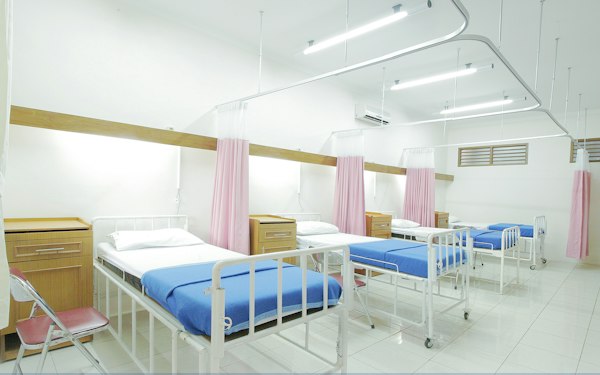
A 42-year-old pilot was driving to work at 6 AM when sudden, searing pain hit his right flank. Within minutes he was doubled over, sweating, and vomiting on the side of the road. He drove himself to the ER convinced his appendix had burst. A CT scan showed a 4mm calcium oxalate stone lodged at the ureterovesical junction. After IV pain medication and 48 hours, it passed on its own. "I broke my collarbone playing rugby and that was nothing compared to this," he said.
Types of Kidney Stones and Why They Form
Calcium oxalate stones (80 percent of all stones): Formed when calcium and oxalate combine in concentrated urine. Contrary to popular belief, reducing calcium intake does NOT prevent these stones — it actually increases risk. A landmark study in the New England Journal of Medicine found that men on a low-calcium diet had a 34 percent higher stone recurrence rate than those on a normal-calcium diet. This is because dietary calcium binds oxalate in the intestine, preventing its absorption. Without enough calcium, more oxalate is absorbed into the blood and excreted by the kidneys.
Uric acid stones (5-10 percent): Form when urine is persistently acidic (pH below 5.5). Associated with gout, obesity, diabetes, and high-purine diets (red meat, organ meats, shellfish). These stones can be dissolved without surgery by alkalinizing the urine with potassium citrate.
Struvite stones (5-10 percent): Form in response to urinary tract infections with specific bacteria that produce urease enzyme, alkalinizing the urine. More common in women with recurrent UTIs. Can grow very large (staghorn calculi) filling the entire kidney. Treating and preventing urinary infections is the primary prevention strategy.
Cystine stones (1-2 percent): Caused by a rare inherited condition (cystinuria) where the kidneys excrete too much of the amino acid cystine. Tend to form large, recurrent stones starting in childhood or early adulthood.
Treatment — From Passing to Surgery
Small stones (under 5mm): Roughly 80 percent pass spontaneously within 1 to 3 weeks. Treatment focuses on pain management (NSAIDs are first-line — a meta-analysis in The Lancet found that diclofenac was more effective and caused fewer side effects than opioids for renal colic), hydration (2 to 3 liters daily to increase urine volume and push the stone), and alpha-blockers (tamsulosin) that relax the ureter and facilitate passage. A Cochrane review found that alpha-blockers increased the stone passage rate by 29 percent for stones 5 to 10mm.
Medium stones (5-10mm): May pass with time and alpha-blockers, but often require intervention. Extracorporeal shockwave lithotripsy (ESWL): Focused sound waves break the stone into fragments small enough to pass. Non-invasive, performed as an outpatient. Effective for stones under 2cm in the kidney. Ureteroscopy: A thin scope is passed through the urethra, bladder, and up the ureter to the stone. The stone is fragmented with laser energy and removed. Higher stone-free rates than ESWL, particularly for lower ureteral stones.
Large stones (over 2cm): Percutaneous nephrolithotomy (PCNL): A small incision in the back provides direct access to the kidney, where the stone is fragmented and removed. Most effective for large or complex stones. Requires general anesthesia and typically 1-2 days in hospital.
Prevention — The 50 Percent Recurrence Rate Is Not Inevitable
Hydration is the single most effective prevention. A randomized trial in the Journal of Urology found that patients who increased water intake to produce more than 2.5 liters of urine daily had a 12 percent stone recurrence rate at 5 years compared to 27 percent in the control group — more than halving the risk. Aim for urine that is pale yellow to clear throughout the day. Dark urine means you are not drinking enough.
Dietary calcium — eat MORE, not less: 1,000 to 1,200mg daily from food sources (dairy, fortified foods). Dietary calcium binds oxalate in the gut, reducing the amount that reaches the kidneys. Do not take calcium supplements between meals — take them with meals for the oxalate-binding effect.
Reduce sodium: High sodium intake increases urinary calcium excretion. The recommended limit is 2,300mg daily, but lower is better for stone formers. A study in the New England Journal of Medicine found that a low-sodium, normal-calcium diet reduced stone recurrence by 50 percent compared to a low-calcium diet.
Reduce animal protein: High intake of red meat increases uric acid, reduces citrate (a natural stone inhibitor), and acidifies urine — all promoting stone formation. Increase citrus: Lemon juice and orange juice increase urinary citrate, which inhibits stone crystallization. Moderate oxalate intake: Very high oxalate foods (spinach, rhubarb, almonds, beets) should be moderated in known calcium oxalate stone formers, but complete avoidance is unnecessary for most people.
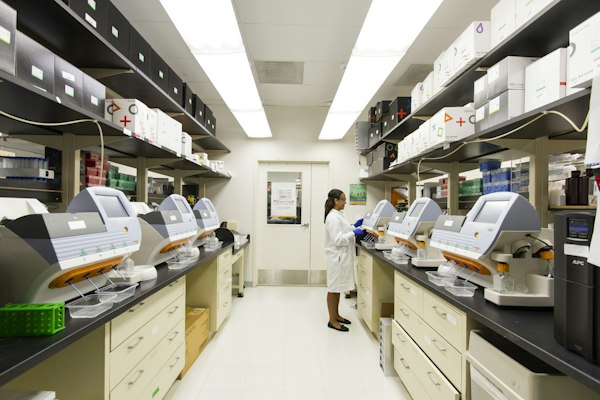
Stone analysis and metabolic testing: Every passed or removed stone should be analyzed to determine its composition — this guides targeted prevention. A 24-hour urine collection identifies metabolic abnormalities (high calcium, high oxalate, low citrate, high uric acid) that can be corrected with diet or medication. Potassium citrate supplements alkalinize urine and increase citrate. Thiazide diuretics reduce urinary calcium. Allopurinol lowers uric acid for uric acid stone formers.