What Iron Does and Why You Cannot Function Without It
Iron is the central atom in hemoglobin — the protein inside red blood cells that picks up oxygen in the lungs and delivers it to every tissue. Each hemoglobin molecule contains 4 iron atoms. Each red blood cell contains ~270 million hemoglobin molecules. Without iron, your blood literally cannot carry oxygen. Your cells suffocate.
Iron is also in myoglobin (muscle oxygen storage), enzymes for energy production and DNA synthesis, and neurotransmitter production (dopamine, serotonin, norepinephrine). This is why iron deficiency causes brain fog, depression-like symptoms, and poor concentration — not just fatigue.
Your body recycles iron efficiently — old red blood cells (120-day lifespan) are broken down and the iron is reused. Daily losses are small (1-2mg through skin shedding, intestinal cells, trace sweat). The problem occurs when losses exceed intake — which happens more easily than most people realize.
The Three Stages — How Deficiency Develops
Stage 1 — Storage depletion: Iron reserves (ferritin) drop. Hemoglobin and red blood cells are still normal. Standard CBC looks fine. But you may already have symptoms — fatigue, poor concentration, exercise intolerance. This is the most commonly missed stage.
Stage 2 — Iron-deficient erythropoiesis: Bone marrow receives less iron than needed. Red blood cells become smaller (microcytic) with less hemoglobin. Lab tests show low ferritin, low serum iron, elevated TIBC (transferrin is hungry for iron it is not receiving).
Stage 3 — Iron deficiency anemia: Hemoglobin drops below normal. Symptoms become pronounced: bone-deep exhaustion, shortness of breath, rapid heartbeat, pale skin, cold hands and feet, brittle nails, hair loss, and potentially pica (craving ice, dirt, or starch — compulsive ice chewing is so specific to iron deficiency that it should prompt immediate testing).
Common Causes
Menstrual blood loss — the leading cause in premenopausal women. Heavy periods can cause iron loss that diet cannot replace. Pregnancy — doubles iron requirements (blood volume expands 50 percent plus fetal iron needs). Inadequate dietary intake — vegetarians, vegans, and restrictive diets. Heme iron (from meat) is absorbed at 15-35 percent; non-heme (from plants) at only 2-20 percent. Malabsorption — celiac disease, inflammatory bowel disease, gastric bypass surgery, chronic PPI use. GI blood loss — in men and postmenopausal women, iron deficiency should always prompt investigation for ulcers, polyps, or colon cancer. Frequent blood donation — each donation removes ~250mg of iron.
Understanding Your Blood Tests
Ferritin is the most useful single test — reflects body iron stores. Normal lab range starts at 12-15, but many experts consider below 30 suboptimal and below 50 potentially symptomatic. A person with ferritin of 15 may be technically normal but functionally depleted. If your symptoms point to iron deficiency and your ferritin is low-normal — push for treatment.
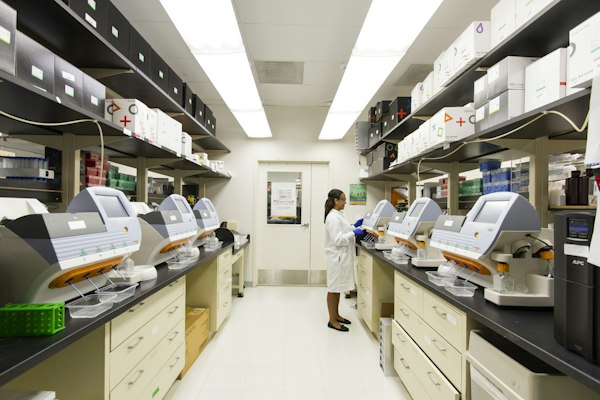
CBC shows hemoglobin (low in stage 3 anemia) and MCV (small red blood cells in iron deficiency). Serum iron fluctuates with meals and time of day — less reliable than ferritin. TIBC rises when iron is low (transport proteins are empty and seeking iron). Transferrin saturation below 20 percent suggests insufficient iron delivery.
Treatment — Getting Your Iron Back
First: identify and address the cause. If heavy periods are the driver, treat the bleeding alongside supplementation. If malabsorption, address the underlying condition.
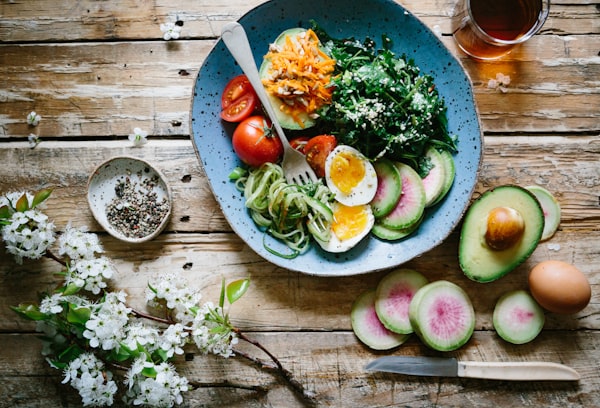
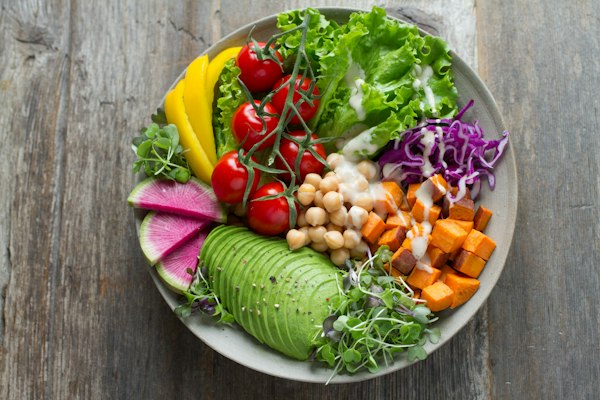
Dietary sources: Heme iron (best absorbed): red meat, liver, oysters, sardines, dark poultry. Non-heme: lentils, chickpeas, spinach, tofu, fortified cereals. Pair non-heme iron with vitamin C (citrus, bell peppers, tomatoes) — dramatically increases absorption. Avoid calcium, tea, and coffee with iron-rich meals (they block absorption).
Oral supplements: Ferrous sulfate, fumarate, or gluconate. Recent research shows that every-other-day dosing actually improves absorption — high doses trigger hepcidin (a hormone blocking iron absorption for ~24 hours). Taking 60-100mg every other day on an empty stomach with vitamin C may be both more effective and better tolerated than daily dosing. Common side effects: constipation, nausea, dark stools. Iron bisglycinate is gentler on the stomach.
IV iron: For patients who cannot tolerate or absorb oral iron. Bypasses the GI tract entirely. Replenishes stores in 1-3 infusions. Increasingly used when rapid correction is needed. Expect energy improvement within 2-4 weeks of starting treatment. Continue supplementation for 3-6 months after hemoglobin normalizes to fully replenish ferritin stores. Stopping too early is the most common reason iron deficiency recurs.