What the Microbiome Actually Is
Your gut microbiome is the entire ecosystem of microorganisms living in your gastrointestinal tract, primarily in your large intestine. You carry roughly as many bacterial cells in your body as human cells. These are not invaders. They are partners. Humans and gut bacteria have evolved together for millions of years in a mutually beneficial relationship.
A healthy microbiome is diverse, meaning it contains many different species of bacteria. Think of it like a rainforest. A rainforest with thousands of different plant and animal species is resilient and productive. A rainforest reduced to just a few species is fragile and prone to collapse. Your gut microbiome works the same way. Greater diversity is associated with better health, while reduced diversity is linked to obesity, diabetes, inflammatory bowel disease, allergies, and even depression.
Your microbiome is unique to you, almost like a fingerprint. It is shaped by how you were born (vaginal birth exposes babies to different bacteria than cesarean section), whether you were breastfed, your diet throughout life, medications you have taken (especially antibiotics), your environment, your stress levels, and your genetics. By adulthood, your core microbiome is relatively stable but can still be shifted significantly by sustained changes in diet and lifestyle.
What Your Gut Bacteria Do for You
Your gut bacteria perform functions that your own cells cannot. They break down dietary fiber that human enzymes cannot digest. When bacteria ferment this fiber, they produce short-chain fatty acids, particularly butyrate, propionate, and acetate. These molecules are not waste products. They are signaling molecules that have profound effects throughout your body.
Butyrate is the primary fuel source for the cells lining your colon. It maintains the integrity of the gut barrier, the single layer of cells that separates the contents of your intestines from your bloodstream. A healthy gut barrier allows nutrients to pass through while keeping bacteria, toxins, and undigested food particles out. When this barrier is compromised, a condition sometimes called increased intestinal permeability or leaky gut, inflammatory molecules can enter the bloodstream and trigger immune responses throughout the body.
Your gut bacteria also produce vitamins, including vitamin K and several B vitamins. They metabolize bile acids, helping with fat digestion. They break down certain drugs and toxins. And they compete with harmful bacteria for space and resources, acting as a frontline defense against infection.
Perhaps most remarkably, your gut bacteria communicate with your brain through what scientists call the gut-brain axis. This is a bidirectional communication highway that uses nerve signals, hormones, and immune molecules. About 90 percent of serotonin, the neurotransmitter most targeted by antidepressant medications, is produced in the gut, not the brain. Gut bacteria influence its production. This gut-brain connection helps explain why digestive problems so often accompany anxiety and depression, and why stress so reliably disrupts digestion.
What Damages Your Microbiome
The modern Western lifestyle is remarkably hostile to gut bacteria. The most significant threat is a low-fiber diet. The average American consumes about 15 grams of fiber per day. The recommended amount is 25 to 35 grams. Our ancestors likely consumed over 100 grams daily. When bacteria do not receive enough fiber, they begin eating the mucus lining of your gut instead, which can weaken the gut barrier.
Antibiotics, while lifesaving when needed, cause massive disruption to the microbiome. A single course of broad-spectrum antibiotics can wipe out entire populations of beneficial bacteria. While many species recover within weeks, some may take months, and certain species may be permanently lost. This is not a reason to avoid antibiotics when they are medically necessary, but it is a reason to use them judiciously and only when truly needed.
Processed foods, high in sugar, refined carbohydrates, emulsifiers, and artificial sweeteners, have been shown to reduce microbiome diversity and promote the growth of bacteria associated with inflammation. Chronic stress alters gut motility and secretions, changing the environment in ways that favor less beneficial bacteria. Poor sleep and sedentary lifestyles also negatively affect the microbiome.
How to Build a Healthier Gut
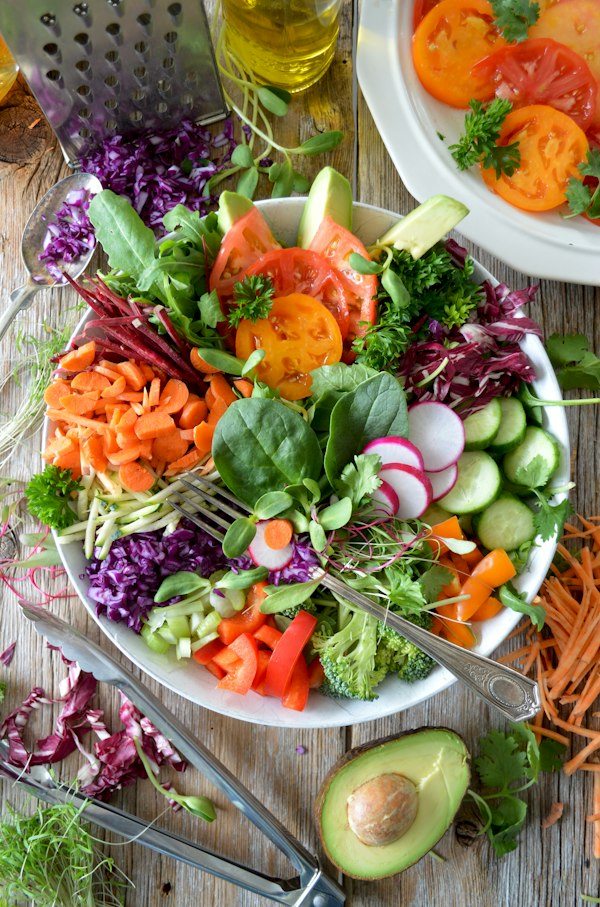
The single most impactful thing you can do for your gut health is eat more dietary fiber from a wide variety of plant foods. Different types of fiber feed different species of bacteria, so variety matters as much as quantity. Aim to eat 30 different plant foods per week. This sounds like a lot, but it includes fruits, vegetables, whole grains, legumes, nuts, seeds, herbs, and spices. Each one counts.
Fermented foods introduce beneficial bacteria directly into your gut. Yogurt with live active cultures, kefir, sauerkraut, kimchi, miso, tempeh, and kombucha all contain live microorganisms. A Stanford study found that eating six or more servings of fermented foods daily for 10 weeks significantly increased microbiome diversity and reduced markers of inflammation.
Prebiotic foods are particularly rich in the types of fiber that gut bacteria prefer. These include garlic, onions, leeks, asparagus, bananas, oats, apples, and Jerusalem artichokes. Think of prebiotics as fertilizer for your beneficial bacteria.
Limit unnecessary antibiotic use. If your doctor prescribes antibiotics, take the full course as directed, but ask whether they are truly necessary for your condition. Many upper respiratory infections, for example, are viral and will not respond to antibiotics. After a course of antibiotics, focus on rebuilding your microbiome with fermented and high-fiber foods.
Exercise has been shown to independently increase microbiome diversity, even when diet remains unchanged. Regular moderate exercise, such as brisk walking, cycling, or swimming, promotes a healthier gut. Adequate sleep and stress management also support a healthy microbiome, reinforcing the interconnectedness of all aspects of health.
What About Probiotic Supplements?
The probiotic supplement industry is enormous, but the science is more nuanced than the marketing suggests. Probiotics are live microorganisms that, when consumed in adequate amounts, confer a health benefit. The key word is specific. Not all probiotics are the same. Different strains have different effects, and a probiotic that helps with one condition may do nothing for another.
There is good evidence for probiotics in certain specific situations: preventing antibiotic-associated diarrhea, treating infectious diarrhea, managing symptoms of irritable bowel syndrome, and preventing necrotizing enterocolitis in premature infants. For general health in healthy adults, the evidence that probiotic supplements significantly improve the microbiome is less convincing.
If you do take a probiotic, choose one with specific strains that have been studied for your particular concern. Look for products that list the exact strain (genus, species, and strain designation), the number of colony-forming units at the time of expiration (not at the time of manufacture), and proper storage instructions. Many probiotic supplements do not contain what they claim on the label, so choosing products from reputable manufacturers matters.
For most people, getting beneficial bacteria from fermented foods and feeding them with dietary fiber is a more reliable and cost-effective strategy than supplements. Food provides both the bacteria and the fuel they need to thrive, in a package that also delivers vitamins, minerals, and other beneficial compounds.