What Makes Food Ultra-Processed
The NOVA classification system divides food into 4 groups. Group 1: unprocessed or minimally processed (fruits, vegetables, meat, eggs, grains). Group 2: processed culinary ingredients (oil, butter, sugar, salt). Group 3: processed foods (canned vegetables, cheese, fresh bread — foods with a few added ingredients). Group 4: ultra-processed foods (UPFs) — industrial formulations with 5 or more ingredients, typically including substances not used in home cooking: high-fructose corn syrup, hydrogenated oils, emulsifiers, thickeners, flavor enhancers, colorings, sweeteners, and preservatives.
The distinction is not about any single ingredient. It is about industrial processing that transforms food into something fundamentally different from its original form — designed to be hyper-palatable (engineered combinations of sugar, fat, and salt that trigger dopamine release), convenient (long shelf life, ready-to-eat), and cheap. Common examples: soft drinks, packaged snacks, instant noodles, frozen dinners, reconstituted meat products, sweetened cereals, flavored yogurts, and most fast food.
What Ultra-Processed Food Does to Your Body
Overeating: The NIH study by Kevin Hall (Cell Metabolism) is the most rigorous evidence to date. Twenty adults lived in a research facility for 4 weeks, spending 2 weeks on an ultra-processed diet and 2 weeks on an unprocessed diet. Both diets had identical calories, macronutrients, sugar, fat, and fiber available. On the ultra-processed diet, participants ate 508 more calories per day and gained 0.9 kg. On the unprocessed diet, they lost 0.9 kg. The ultra-processed food was eaten faster (consuming more before satiety signals could register) and suppressed the satiety hormone PYY while increasing the hunger hormone ghrelin.
Gut microbiome destruction: Emulsifiers (carboxymethylcellulose, polysorbate-80) used in many UPFs thin the protective mucus layer lining the intestine according to a study in Nature. Artificial sweeteners alter microbiome composition in ways that worsen glucose tolerance (a study in Nature). Preservatives reduce microbial diversity. A study in Gut found that high UPF consumption was associated with a 25 percent increase in inflammatory bowel disease risk.
Brain effects: A study in JAMA Neurology found that high UPF consumption was associated with a 25 percent faster rate of cognitive decline and a 28 percent faster rate of executive function decline over 8 years. A study in the British Journal of Psychiatry found a 33 percent increased risk of depression with each 10 percent increase in UPF consumption. The mechanisms include neuroinflammation, gut-brain axis disruption, and direct effects of additives on neurotransmitter function.
Inflammation and metabolic disease: UPFs drive chronic low-grade inflammation through multiple pathways: advanced glycation end products (AGEs) from high-temperature processing, oxidized fats, and emulsifier-driven gut barrier disruption. A meta-analysis found that each 10 percent increase in UPF consumption increased type 2 diabetes risk by 15 percent. Cancer risk is also elevated — a study in the BMJ found a 12 percent increased overall cancer risk with each 10 percent increase in UPF consumption.
How to Reduce Ultra-Processed Food — Practically
The goal is not perfection. Reducing UPF from 58 percent of calories to 30 percent would be a dramatic health improvement for most Americans. Start with the biggest sources: sugary drinks (replace with water, tea, or sparkling water), packaged snacks (replace with nuts, fruit, or cheese), instant/ready meals (batch cook simple meals on weekends), sweetened breakfast cereals (replace with oats, eggs, or yogurt with fresh fruit), and processed meats (reduce frequency, replace with fresh meat, fish, or legumes).
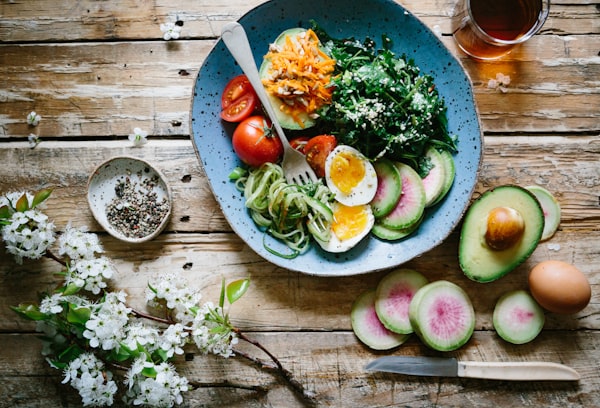
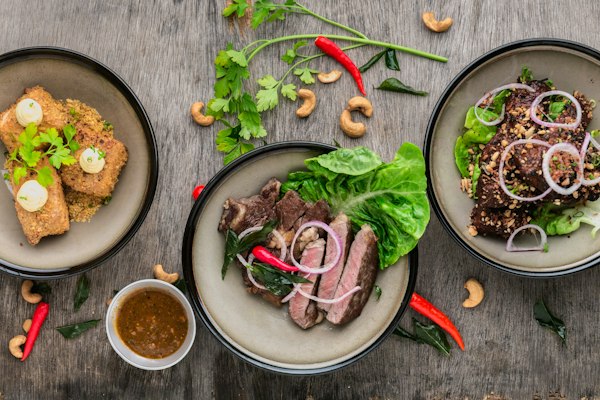
A practical rule: cook from recognizable ingredients more often. If you can identify every ingredient by sight — that is whole food. If the ingredient list reads like a chemistry textbook — that is ultra-processed. You do not need to eliminate all UPFs. You need to shift the ratio. More meals from whole ingredients. Fewer from packages.
A 38-year-old accountant tracked her UPF intake for a week — it was 64 percent of her calories. She made three changes: oatmeal instead of cereal for breakfast, a home-packed lunch instead of frozen meals, and water instead of diet soda. She did not change dinner. After 6 weeks, she had lost 4 pounds without counting calories, her bloating resolved, and her energy improved. "I did not go on a diet," she said. "I just ate food that looked like food."