1. Reduce Sodium to 1,500mg Daily
The average American consumes 3,400mg of sodium daily — more than double the ideal intake. The DASH-Sodium trial found that reducing sodium from 3,400mg to 1,500mg lowered systolic pressure by 7 mmHg in addition to DASH diet benefits. Over 70 percent of dietary sodium comes from processed and restaurant foods — bread, pizza, deli meats, canned soups, cheese, and sauces. Cooking at home and reading labels are the two most effective strategies. Replace salt with herbs, spices, lemon, and vinegar for flavor.
2. Follow the DASH Eating Pattern
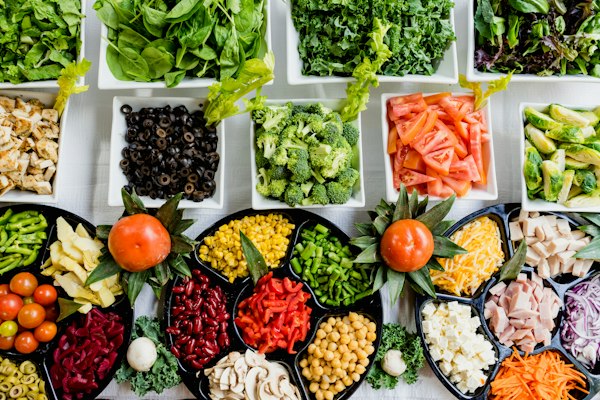
The DASH diet is the most studied dietary intervention for blood pressure. It emphasizes fruits (4-5 servings daily), vegetables (4-5 servings), whole grains (6-8 servings), lean proteins, low-fat dairy (2-3 servings — the calcium and potassium contribute to BP lowering), and nuts/legumes (4-5 servings weekly). It limits saturated fat, added sugars, and red meat. The original trial produced 11 mmHg systolic reduction — comparable to adding a medication. See our full guide on foods that lower blood pressure.
3. Increase Potassium Intake
Potassium counterbalances sodium — it helps the kidneys excrete sodium and relaxes blood vessel walls. A meta-analysis in the BMJ found that increasing potassium by 1,500mg daily lowered systolic pressure by 3.5 mmHg. Most Americans consume only 2,500mg versus the recommended 4,700mg. Top sources: sweet potatoes, bananas, spinach, white beans, avocados, yogurt, salmon, and potatoes with skin. Food sources are preferred over supplements — potassium supplements can be dangerous in people with kidney disease.
4. Exercise 150 Minutes Per Week
A meta-analysis in the British Journal of Sports Medicine found that exercise reduced systolic pressure by 5 to 8 mmHg in hypertensive patients. Both aerobic exercise (brisk walking, cycling, swimming) and resistance training are effective. Isometric exercises (wall sits, hand grip exercises) show particularly strong results — a study in Hypertension found that isometric training reduced systolic pressure by 8 mmHg. Even a single bout of exercise lowers blood pressure for 12 to 16 hours afterward (post-exercise hypotension). Consistency matters more than intensity.
5. Lose 5 to 10 Percent of Body Weight
Every 1 kg (2.2 pounds) of weight loss reduces systolic pressure by approximately 1 mmHg according to a meta-analysis in Hypertension. For someone 20 kg overweight, losing that weight could reduce systolic pressure by 20 mmHg — potentially enough to avoid medication entirely. Even modest weight loss of 5 percent (10 pounds for a 200-pound person) produces meaningful blood pressure reduction.
6. Limit Alcohol to 1 Drink Daily (or Less)
A meta-analysis in The Lancet found that reducing alcohol by 2 drinks daily lowered systolic pressure by 5.5 mmHg in heavy drinkers. Even moderate drinking (1-2 daily) raises blood pressure above baseline. A recent Mendelian randomization study in JAMA Network Open found that any alcohol consumption increased blood pressure, with no evidence of a protective threshold.
7. Eat Beetroot or Drink Beetroot Juice
Dietary nitrates in beets are converted to nitric oxide, which relaxes blood vessels. A meta-analysis in the Journal of Nutrition found that beetroot juice reduced systolic pressure by 3.6 mmHg within 2 to 3 hours. A daily glass of beetroot juice (250 mL) sustained the effect over 4 weeks in a study in Hypertension. Other nitrate-rich vegetables include arugula, spinach, and celery.
8. Drink Hibiscus Tea
A randomized trial in the Journal of Nutrition found that 3 cups of hibiscus tea daily reduced systolic pressure by 7 mmHg over 6 weeks — nearly as much as a low-dose medication. The mechanism involves natural ACE inhibition (the same pathway targeted by ACE inhibitor drugs). Brew with hot water for 5 minutes, drink hot or iced.
9. Manage Stress
Chronic stress elevates cortisol and activates the sympathetic nervous system, raising blood pressure. A meta-analysis in the Journal of Hypertension found that transcendental meditation reduced systolic pressure by 5 mmHg. Deep breathing exercises (4 seconds in, 7 seconds hold, 8 seconds out) activate the parasympathetic nervous system and lower blood pressure acutely. Even 5 minutes of slow breathing daily produces measurable effects.
10. Sleep 7 to 9 Hours
Chronic short sleep (under 6 hours) increases hypertension risk by 20 to 32 percent according to a meta-analysis in the Journal of Clinical Sleep Medicine. Sleep apnea is the number one cause of treatment-resistant hypertension. If you snore and your blood pressure is hard to control, get a sleep study.
11. Eat Dark Chocolate (Moderately)
Dark chocolate (70 percent cocoa or higher) contains flavanols that stimulate nitric oxide production. A Cochrane meta-analysis found that dark chocolate reduced systolic pressure by 2 to 3 mmHg. The effective dose is small — roughly 1 ounce (30g) daily. Milk chocolate does not work.
12. Increase Magnesium Intake
Magnesium relaxes blood vessel walls. A meta-analysis in Hypertension found that magnesium supplementation (300-500mg daily) reduced systolic pressure by 2 mmHg. While modest alone, combined with other strategies the effect is additive. Food sources include pumpkin seeds, spinach, almonds, dark chocolate, and black beans.
Putting It All Together
No single strategy lowers blood pressure dramatically on its own. But combining multiple strategies produces additive effects that can rival or exceed medication. DASH diet (-11 mmHg) + sodium restriction (-7) + weight loss (-5 to 10) + exercise (-5 to 8) + alcohol reduction (-5) + stress management (-5) = potential 30 to 40 mmHg total reduction. This is the power of the multimodal approach.
For many patients with stage 1 hypertension, implementing 4 to 5 of these strategies can bring blood pressure to normal without medication. For those on medication, these strategies can allow dose reduction. For everyone, they reduce cardiovascular risk beyond what medication alone achieves.
Monitor your progress: check blood pressure at home weekly. Share your log with your doctor. Never stop blood pressure medication without medical guidance — lifestyle changes should complement medication, with dose reduction decisions made by your physician based on sustained readings.