The DASH Diet — The Foundation
The DASH diet is not a weight loss plan or a fad. It is a dietary pattern developed by the National Institutes of Health, tested in rigorous clinical trials, and endorsed by every major cardiovascular organization. It emphasizes fruits, vegetables, whole grains, lean proteins, and low-fat dairy while limiting sodium, saturated fat, added sugars, and red meat.
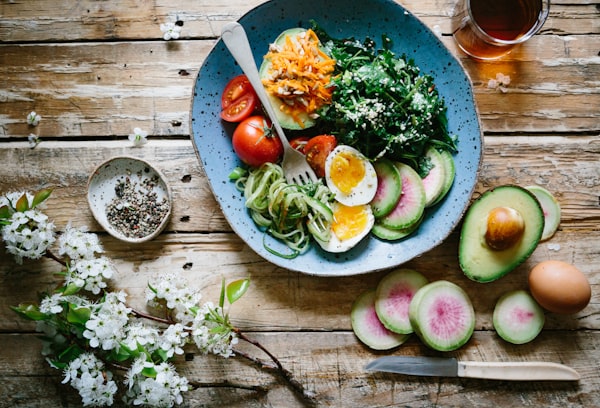
Daily targets for a 2,000-calorie DASH diet: 4 to 5 servings of fruits. 4 to 5 servings of vegetables. 6 to 8 servings of whole grains. 2 to 3 servings of low-fat dairy. 6 ounces or less of lean meat, poultry, or fish. 4 to 5 servings per week of nuts, seeds, and legumes. 2 to 3 servings of fats and oils. Limited sweets (5 or fewer per week).
A study in the Archives of Internal Medicine found that combining the DASH diet with sodium restriction to 1,500mg daily produced the greatest blood pressure reduction — 20+ mmHg in some hypertensive participants. This approaches the effect of two blood pressure medications combined.
Potassium-Rich Foods — Your Blood Pressure's Best Friend
Potassium counteracts sodium's blood-pressure-raising effect by helping the kidneys excrete excess sodium and by relaxing blood vessel walls. Most Americans consume only 2,500mg of potassium daily — well below the recommended 4,700mg. Increasing potassium intake by 1,500mg daily lowers systolic pressure by an average of 3.5 mmHg according to a meta-analysis in the BMJ.
Top sources: Sweet potatoes (542mg per medium potato — one of the highest sources per serving). Bananas (422mg each). Spinach (839mg per cup cooked). White beans (1,189mg per cup). Avocado (708mg per avocado). Salmon (534mg per 4 ounces). Yogurt (573mg per cup). Oranges (326mg each). Tomatoes (292mg per medium). Potatoes with skin (926mg per medium).
A study in the New England Journal of Medicine found that increasing potassium while reducing sodium had additive blood pressure effects — the combination was significantly more effective than either change alone.
Nitrate-Rich Vegetables — The Beet Connection
Dietary nitrates found in beets, leafy greens, and certain vegetables are converted in the body to nitric oxide — a molecule that relaxes and dilates blood vessels. A meta-analysis in the Journal of Nutrition found that beetroot juice reduced systolic blood pressure by an average of 3.6 mmHg within 2 to 3 hours of consumption.
Top sources: Beets and beetroot juice (the most studied), arugula, spinach, lettuce, celery, and radishes. A study in Hypertension found that a daily glass of beetroot juice (250 mL) sustained blood pressure reduction over 4 weeks. The effect is dose-dependent — more nitrate-rich vegetables means more benefit.
Practical tip: roast beets and add to salads, blend into smoothies, or drink concentrated beetroot juice (available at most grocery stores). Cooking does not significantly reduce nitrate content. Arugula has one of the highest nitrate levels of any vegetable — a simple arugula salad provides measurable cardiovascular benefit.
Berries, Dark Chocolate, and Polyphenol-Rich Foods
Polyphenols — plant compounds found in berries, dark chocolate, tea, and olive oil — improve blood vessel function and reduce blood pressure through antioxidant and anti-inflammatory mechanisms. Blueberries are the most studied. A randomized trial in the Journal of the Academy of Nutrition and Dietetics found that one cup of blueberries daily for 8 weeks reduced systolic blood pressure by 5.1 mmHg.
Dark chocolate (70 percent cocoa or higher) contains flavanols that stimulate nitric oxide production. A meta-analysis in the Cochrane Database found that dark chocolate reduced systolic pressure by 2 to 3 mmHg. The dose in studies is small — roughly 1 ounce (30g) daily. Milk chocolate and most commercial chocolate bars do not contain sufficient flavanols.
Hibiscus tea has surprisingly strong evidence. A randomized controlled trial in the Journal of Nutrition found that 3 cups of hibiscus tea daily for 6 weeks reduced systolic pressure by 7 mmHg — nearly as much as a low-dose medication. The mechanism involves ACE inhibition (the same pathway that ACE-inhibitor drugs target). Extra virgin olive oil — 2 to 4 tablespoons daily as part of a Mediterranean diet — provides polyphenols and monounsaturated fats that improve vascular function.
What to Reduce — Sodium, Alcohol, and Processed Foods
Sodium: The average American consumes 3,400mg daily. The DASH-Sodium trial showed that reducing to 1,500mg lowered systolic pressure by an additional 7 mmHg beyond the DASH diet alone. Over 70 percent of dietary sodium comes from processed and restaurant foods — not the salt shaker. The biggest sources: bread, pizza, sandwiches, cold cuts, canned soups, cheese, and restaurant meals. Reading labels and cooking at home are the two most effective sodium reduction strategies.
Alcohol: More than 2 drinks daily raises blood pressure. A meta-analysis in The Lancet found that reducing alcohol by 2 drinks daily lowered systolic pressure by 5.5 mmHg in heavy drinkers. If you drink, keep it to 1 drink daily for women and 2 for men.
Added sugars: A study in the journal Open Heart found that added sugars, particularly fructose, may raise blood pressure independently of calories — potentially by increasing uric acid and activating the sympathetic nervous system. Reducing sugary beverages is one of the simplest high-impact changes.
Putting it together — a practical daily menu: Breakfast: oatmeal with blueberries and walnuts, Greek yogurt. Lunch: large salad with arugula, spinach, avocado, beans, olive oil dressing. Snack: banana and almonds. Dinner: baked salmon with roasted beets and sweet potato, side of steamed broccoli. Evening: 1 ounce dark chocolate and hibiscus tea. This single day provides roughly 4,500mg potassium, significant dietary nitrates, polyphenols, omega-3s, calcium, magnesium, and fiber — while staying under 1,800mg sodium. It is not a diet. It is a way of eating that protects your cardiovascular system every day.