The Anti-Inflammatory Powerhouses — What to Eat More Of
Fatty fish (salmon, sardines, mackerel, herring): The richest source of EPA and DHA omega-3 fatty acids, which directly compete with pro-inflammatory omega-6 fatty acids in cell membranes. More omega-3 in your cells means less inflammatory signaling. A meta-analysis found that 2+ servings of fatty fish per week reduced CRP by 30 percent. Wild salmon provides roughly 1,500mg of EPA/DHA per 3-ounce serving.
Extra virgin olive oil: Contains oleocanthal, a compound that inhibits the same inflammatory pathways as ibuprofen. A study in Nature found that oleocanthal has pharmacological activity comparable to low-dose ibuprofen. The PREDIMED trial found that Mediterranean diet supplemented with extra virgin olive oil reduced cardiovascular events by 30 percent. Use 2-4 tablespoons daily as your primary cooking and dressing oil.
Berries (blueberries, strawberries, raspberries): Rich in anthocyanins — polyphenols that reduce NF-κB activation (a master inflammatory switch). A randomized trial found that 1 cup of blueberries daily reduced inflammatory markers by 13 percent and blood pressure by 5 mmHg over 8 weeks. Frozen berries retain most of their polyphenol content and are more affordable.
Leafy greens (spinach, kale, Swiss chard): High in vitamin K, magnesium, and polyphenols that reduce inflammatory signaling. A study in the Journal of Nutrition found that higher green vegetable intake was associated with 13 percent lower IL-6 levels. Nuts (walnuts, almonds): Walnuts are the highest plant source of ALA omega-3. The PREDIMED trial found that 30g of mixed nuts daily reduced CRP by 20 percent. Turmeric (curcumin): Inhibits NF-κB and COX-2 inflammatory pathways. A meta-analysis found that curcumin supplementation (500-1,000mg daily) reduced CRP by 25 percent. Pair with black pepper (piperine increases absorption by 2,000 percent).
Green tea: Contains EGCG, a potent anti-inflammatory catechin. A meta-analysis found that 3+ cups daily reduced CRP by 12 percent. Garlic and onions: Contain organosulfur compounds that modulate inflammatory pathways. Legumes (lentils, chickpeas, black beans): High in fiber that feeds anti-inflammatory gut bacteria and produces butyrate. Dark chocolate (70%+ cocoa): Flavanols reduce endothelial inflammation. 1 ounce daily.
The Pro-Inflammatory Foods — What to Eat Less Of
Added sugar and high-fructose corn syrup: Sugar triggers inflammatory cytokine release within hours. A study in the American Journal of Clinical Nutrition found that a single high-sugar meal increased inflammatory markers (TNF-alpha, IL-6) by 30 to 50 percent within 2 hours. The effect is dose-dependent — more sugar, more inflammation. Sugary beverages are the worst offenders because they deliver a rapid glucose load without fiber to slow absorption.
Refined carbohydrates (white bread, white rice, pastries): Rapidly converted to glucose, spiking blood sugar and insulin, which activates inflammatory pathways. Whole grain versions of these foods have the opposite effect — the fiber slows absorption and feeds anti-inflammatory gut bacteria.
Processed meat (bacon, sausage, hot dogs, deli meats): The WHO classifies processed meat as a Group 1 carcinogen. Advanced glycation end products (AGEs) formed during high-temperature processing directly activate inflammatory pathways. A meta-analysis found that each 50g daily serving of processed meat increased CRP by 30 percent.
Trans fats and excessive omega-6 oils: Trans fats (partially hydrogenated oils) are the most inflammatory dietary fat — banned in many countries but still present in some products. Excessive omega-6 fatty acids (soybean oil, corn oil, sunflower oil) shift the omega-6:omega-3 ratio toward pro-inflammatory signaling. The modern Western diet has an omega-6:omega-3 ratio of roughly 15:1; the ideal is closer to 2:1 to 4:1.
Alcohol: Even moderate alcohol consumption increases inflammatory markers. A study in the BMJ found that alcohol increased CRP in a dose-dependent manner with no safe threshold for inflammation.
Putting It Into Practice — A Practical Anti-Inflammatory Day
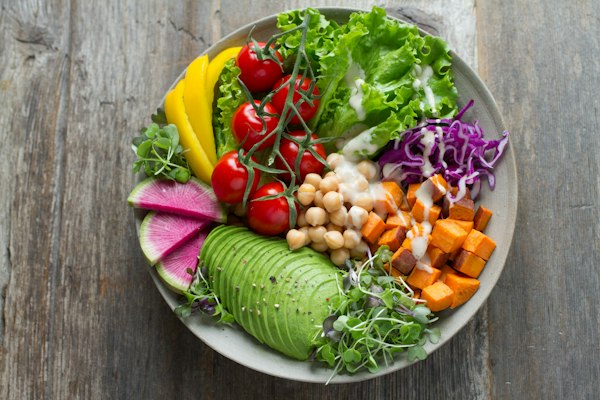
Breakfast: Overnight oats with blueberries, walnuts, chia seeds, and cinnamon. Green tea. Lunch: Large salad with arugula, spinach, chickpeas, avocado, cherry tomatoes, and extra virgin olive oil dressing. Snack: Apple with almond butter. Dinner: Baked salmon with roasted sweet potatoes and steamed broccoli with turmeric. 1 ounce dark chocolate.
This day provides roughly 2,000mg of omega-3, 30+ grams of fiber, multiple sources of polyphenols and antioxidants, and minimal added sugar, processed meat, and refined carbohydrates. It is not restrictive. It is not expensive. It is simply prioritizing foods that reduce inflammation over foods that fuel it.
You do not need to be perfect. An 80/20 approach — anti-inflammatory foods 80 percent of the time, allowing flexibility for the remaining 20 percent — is sustainable and effective. A study in the Journal of Internal Medicine found that even partial adherence to a Mediterranean dietary pattern reduced inflammatory markers by 15 percent.